ストーリー、ガイド、ペットケアのヒント
HAPI Petをもっと活用し、ペットとの毎日をもっと楽しむために必要なすべて。
最新の記事
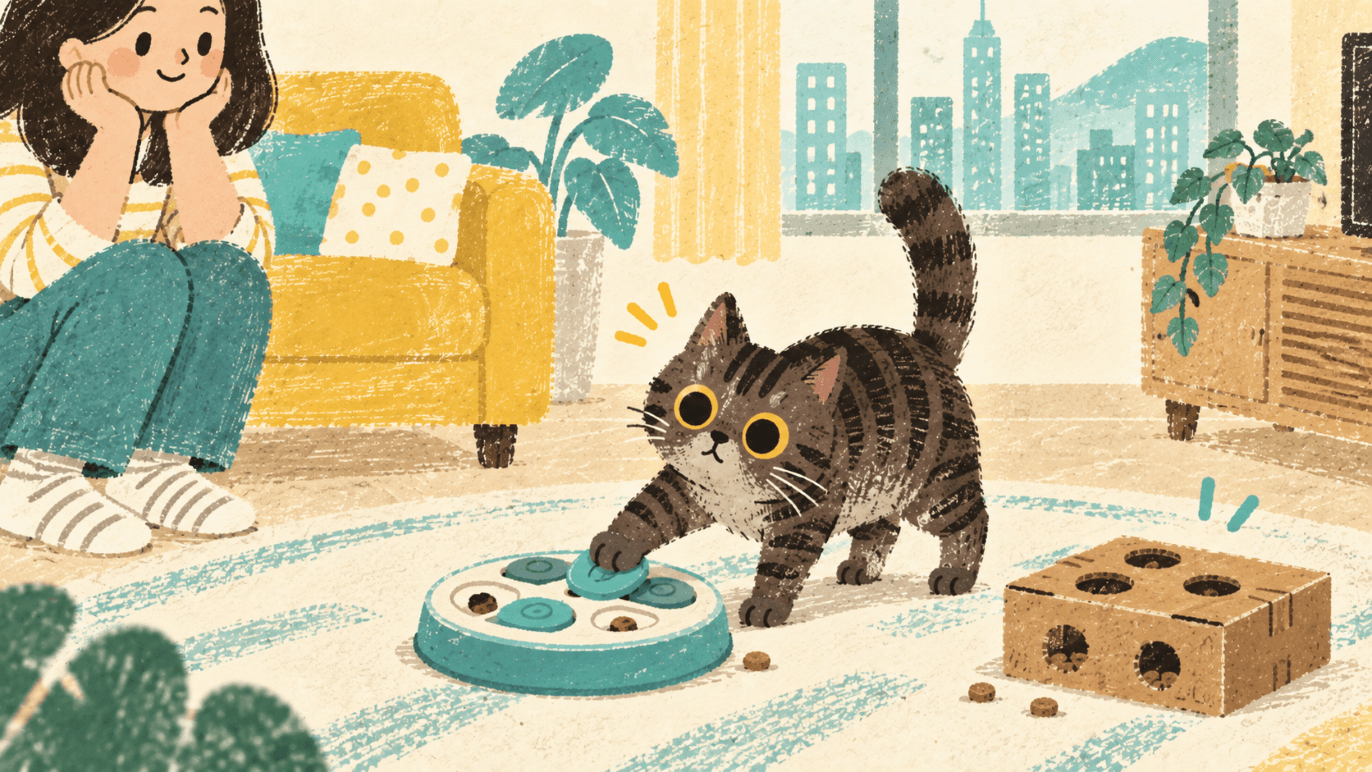
Turn One Meal into a Small Challenge with Puzzle Feeding
Puzzle feeders let cats paw, search, and work for part of their meal. Start easy, keep some food in a bowl, and count everything within their daily allowance.
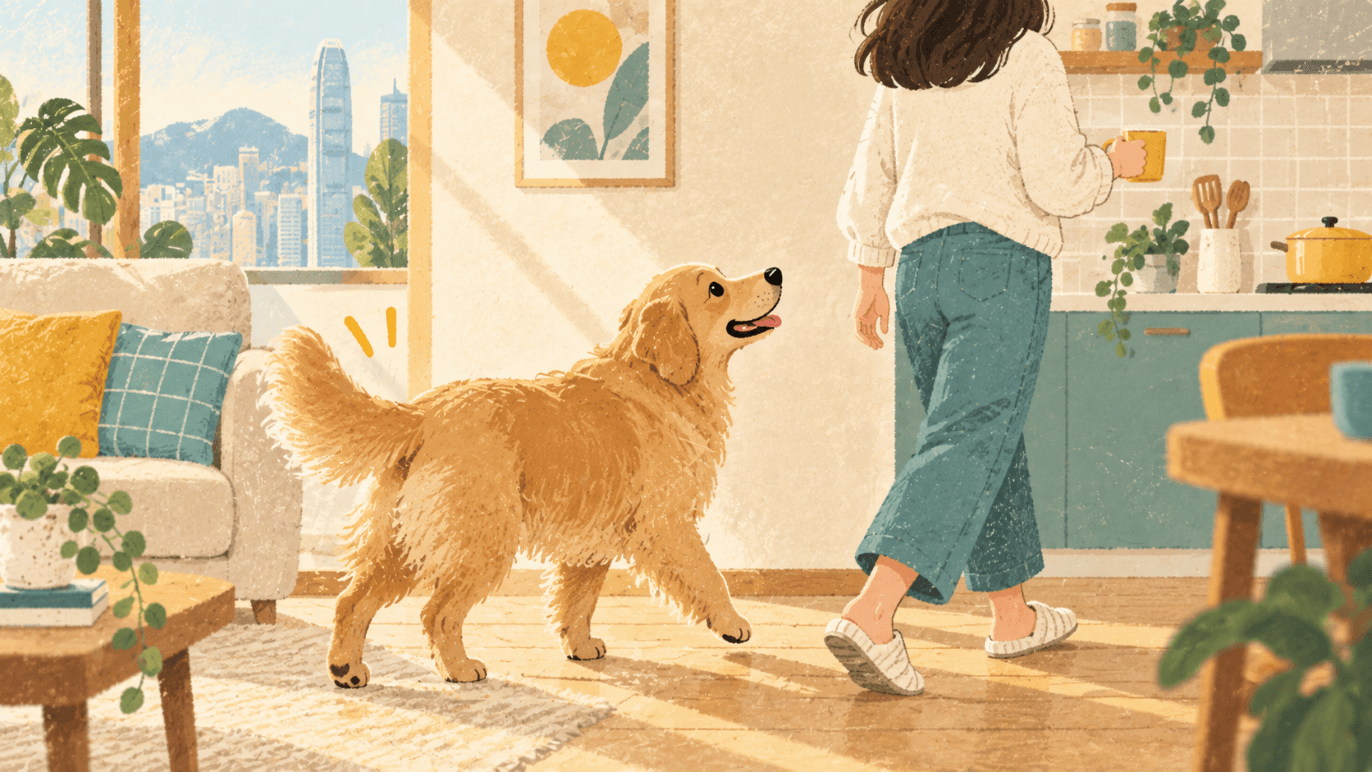
Why Does Your Dog Follow You Everywhere?
Following you from room to room can be a normal sign of companionship, curiosity, or a hope for food or play. The important question is how your dog behaves when you are apart.
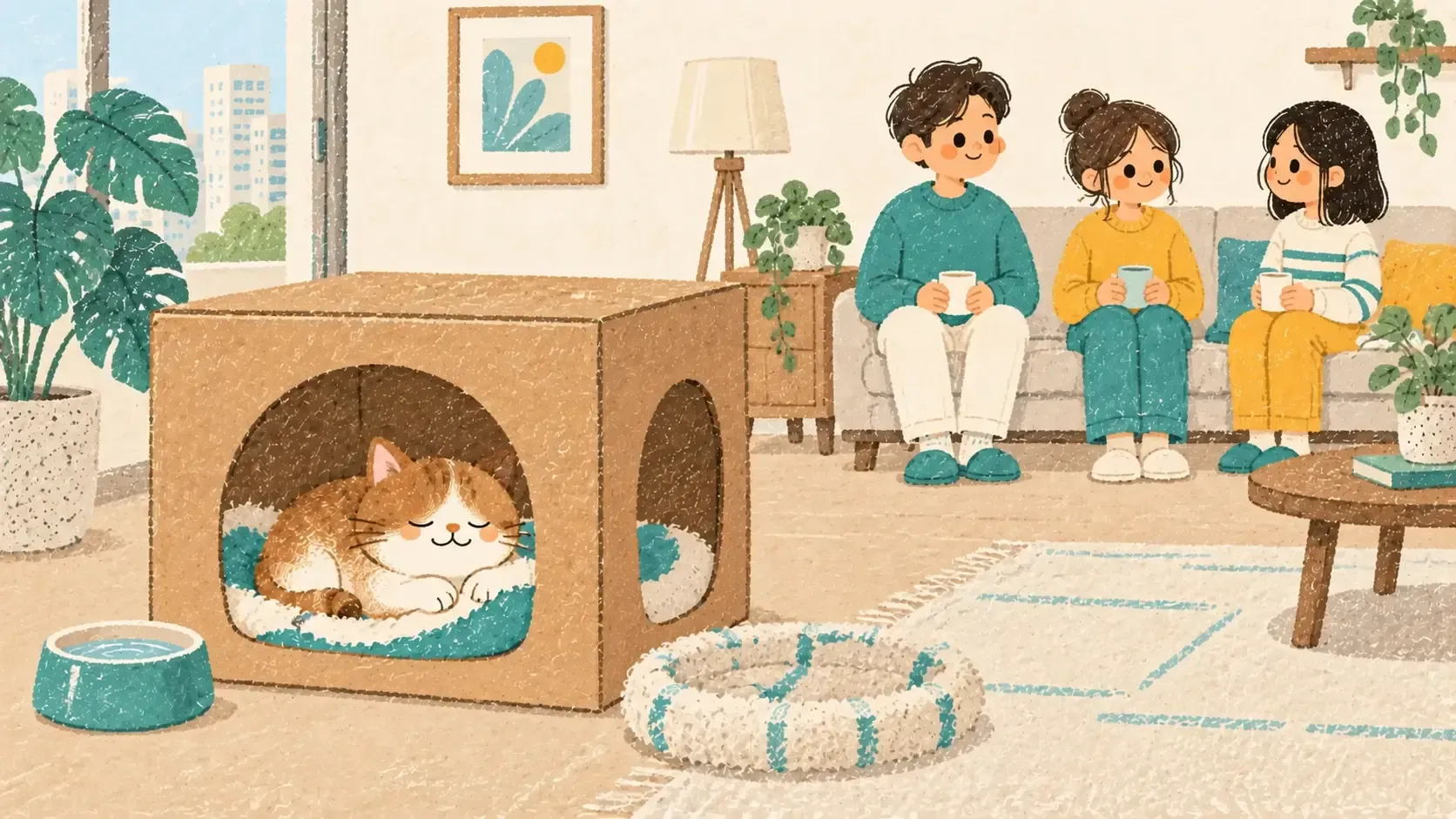
Cat Disappears When Guests Arrive? Hiding Can Be a Healthy Choice
When visitors arrive, many cats feel safer watching from a distance or hiding completely. Instead of bringing them out to meet everyone, give them a quiet place where they can choose when, or if, to reappear.
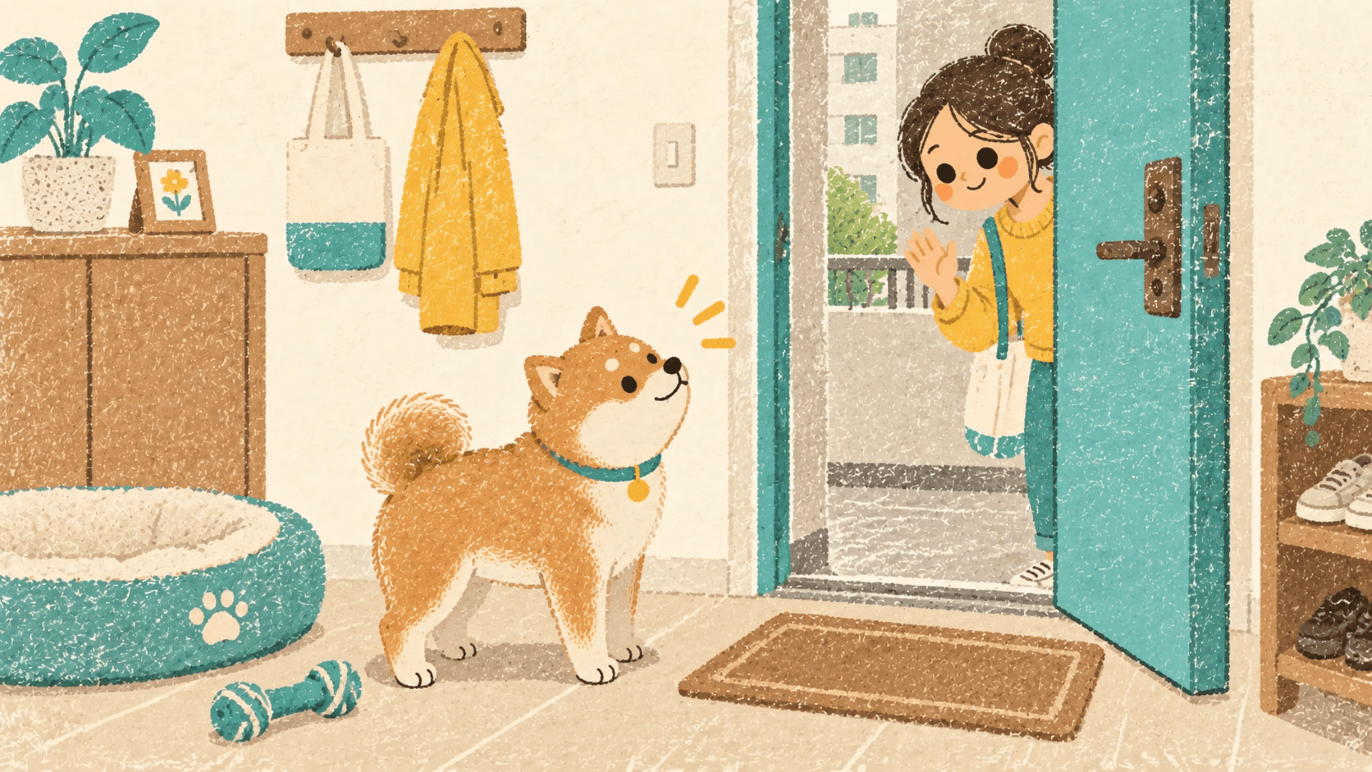
Does Your Dog Panic When Left Alone? Start with Seconds, Not Hours
Dogs do not learn to feel safe alone by being left to cope for a long time. Calm, gradual practice is a kinder and more useful place to start.
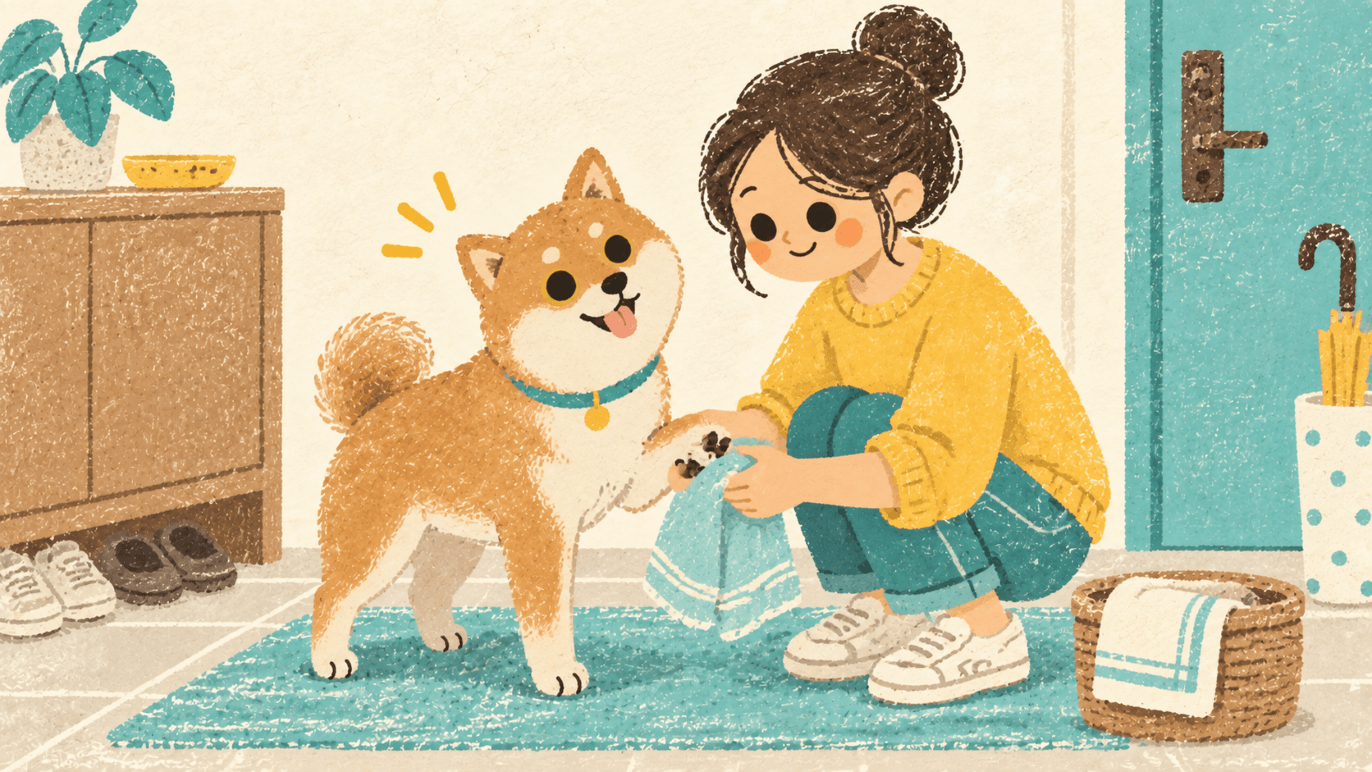
How to Clean Your Dog's Paws After a Walk
A quick paw check after a walk helps keep dirt outside and lets you spot small problems early. Clean only as much as needed, then dry well, especially between the toes.
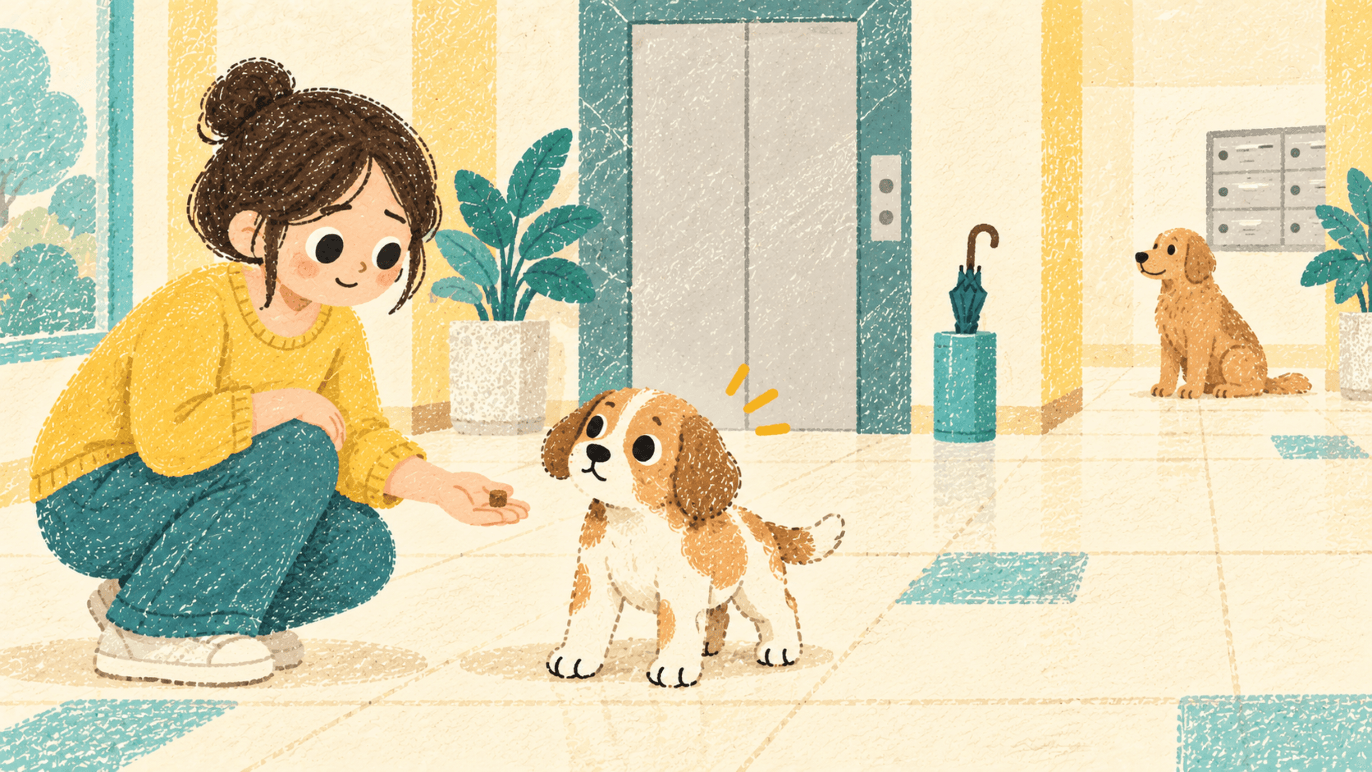
Puppy Socialisation Is Not About Saying Hello to Everyone
Good socialisation helps puppies build calm, positive associations with the world around them. It is about safe, comfortable exposure at their pace, not packing every day with new people, dogs, and places.
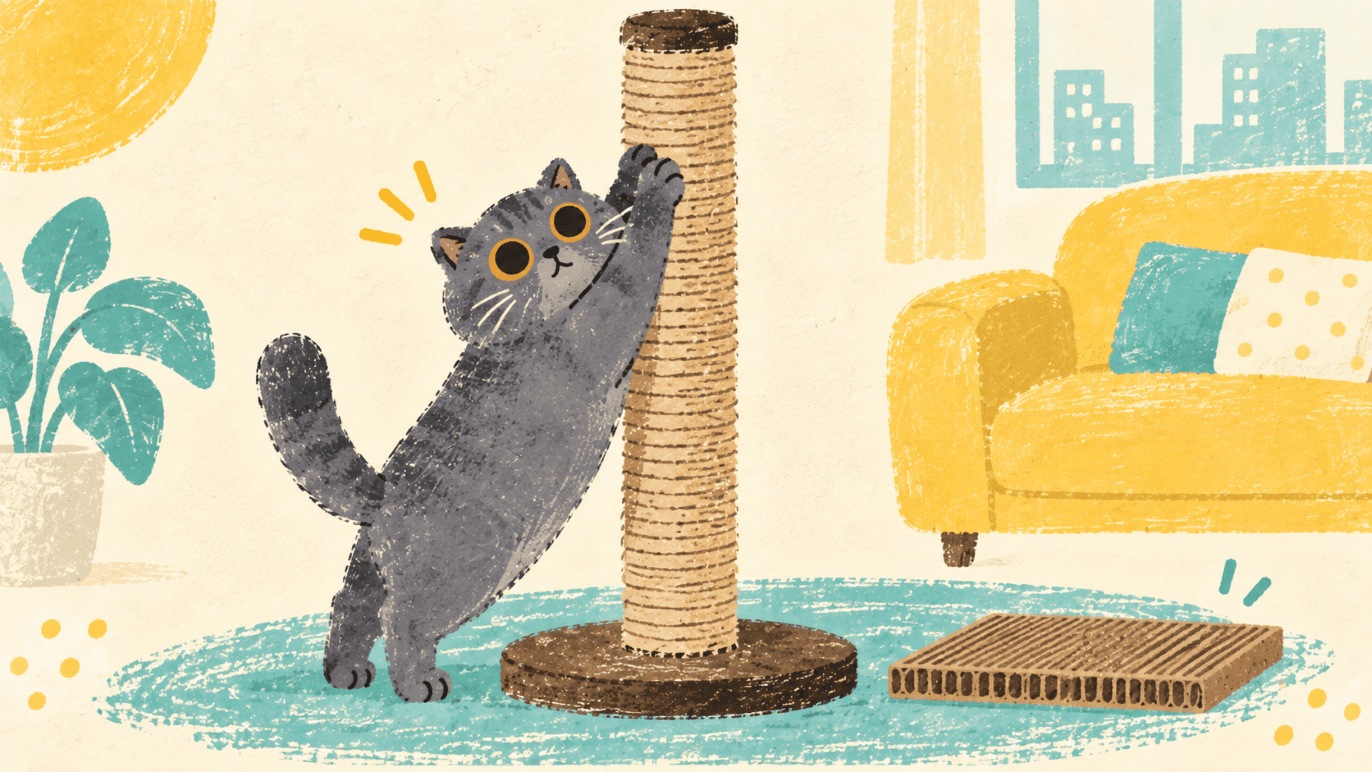
Bought a Scratcher but Your Cat Still Prefers the Sofa?
Scratching is a normal part of being a cat. It helps remove old claw layers, stretch muscles, leave scent and visual marks, and release emotion. The goal is not to stop your cat from scratching, but to give them an option they like better than the sofa.
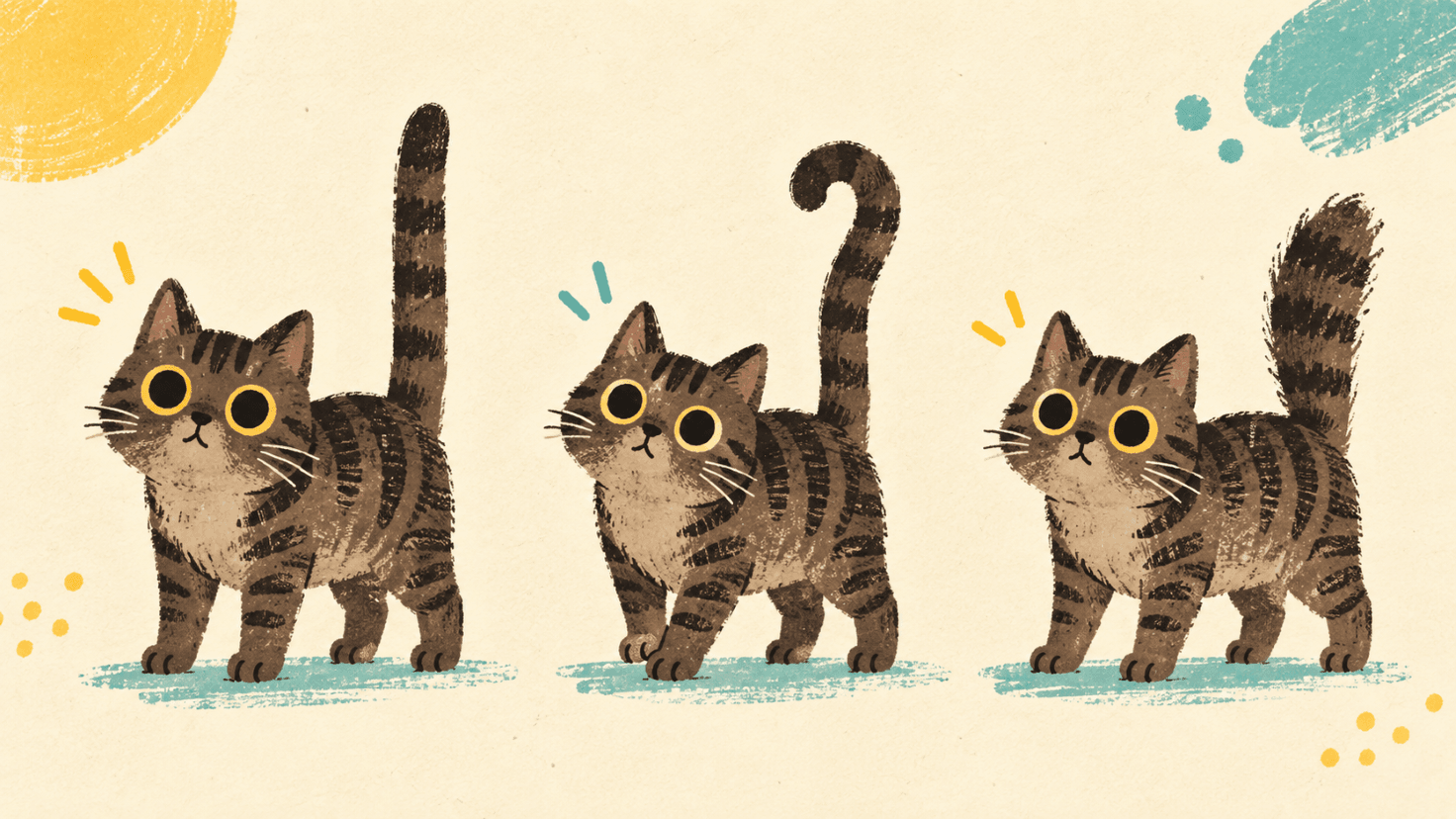
What Is Your Cat's Tail Trying to Tell You?
An upright tail, a puffed-up tail and fast swishing can mean very different things. Look at the ears, eyes, posture and situation before deciding how your cat feels.
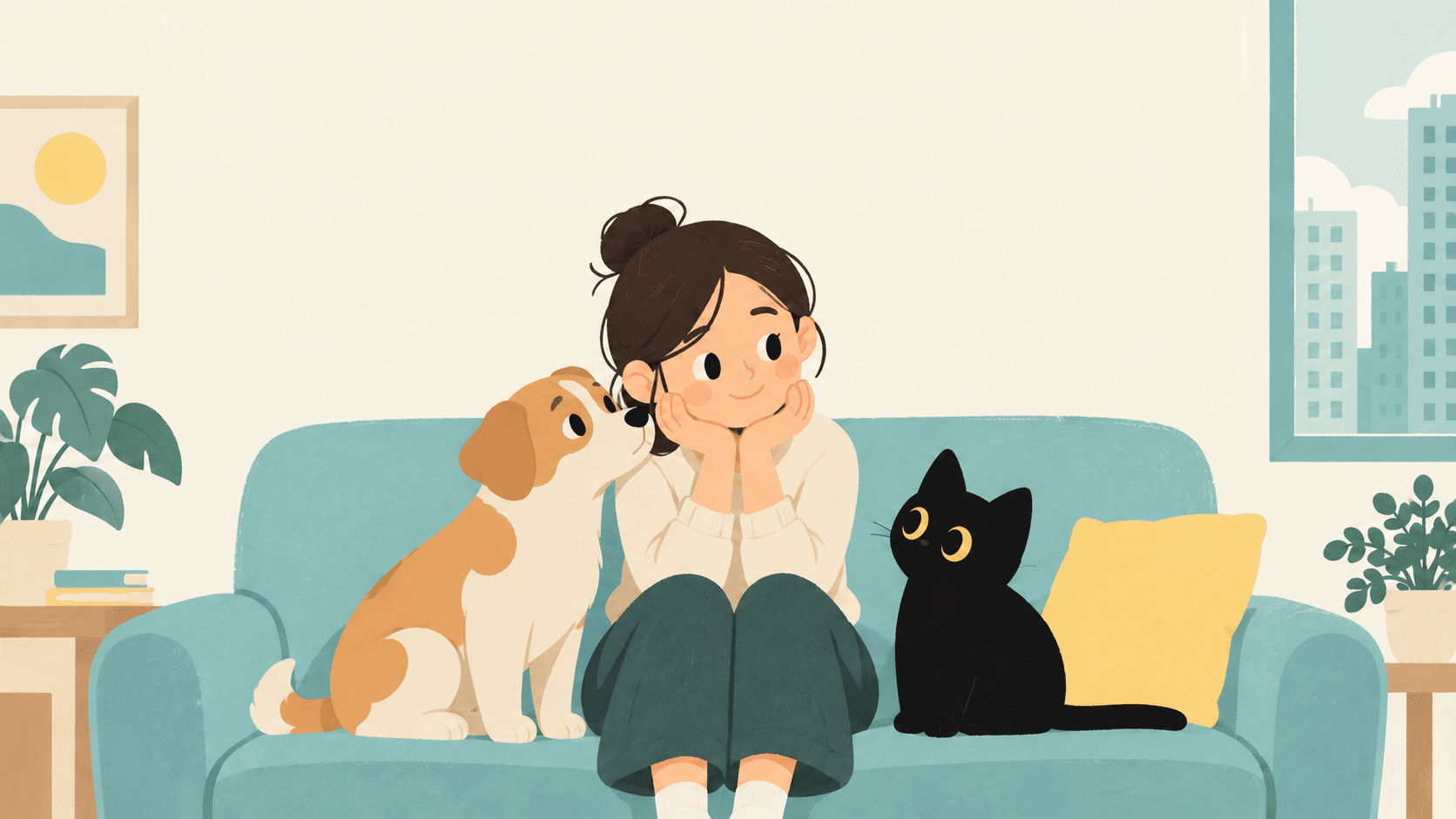
Do Dogs or Cats Understand Human Expressions Better?
Dogs often seem to notice the moment something is wrong, while cats may appear completely unbothered. So which one is actually better at reading human facial expressions? Research currently gives dogs a slight lead, but cats are paying much more attention than they let on.
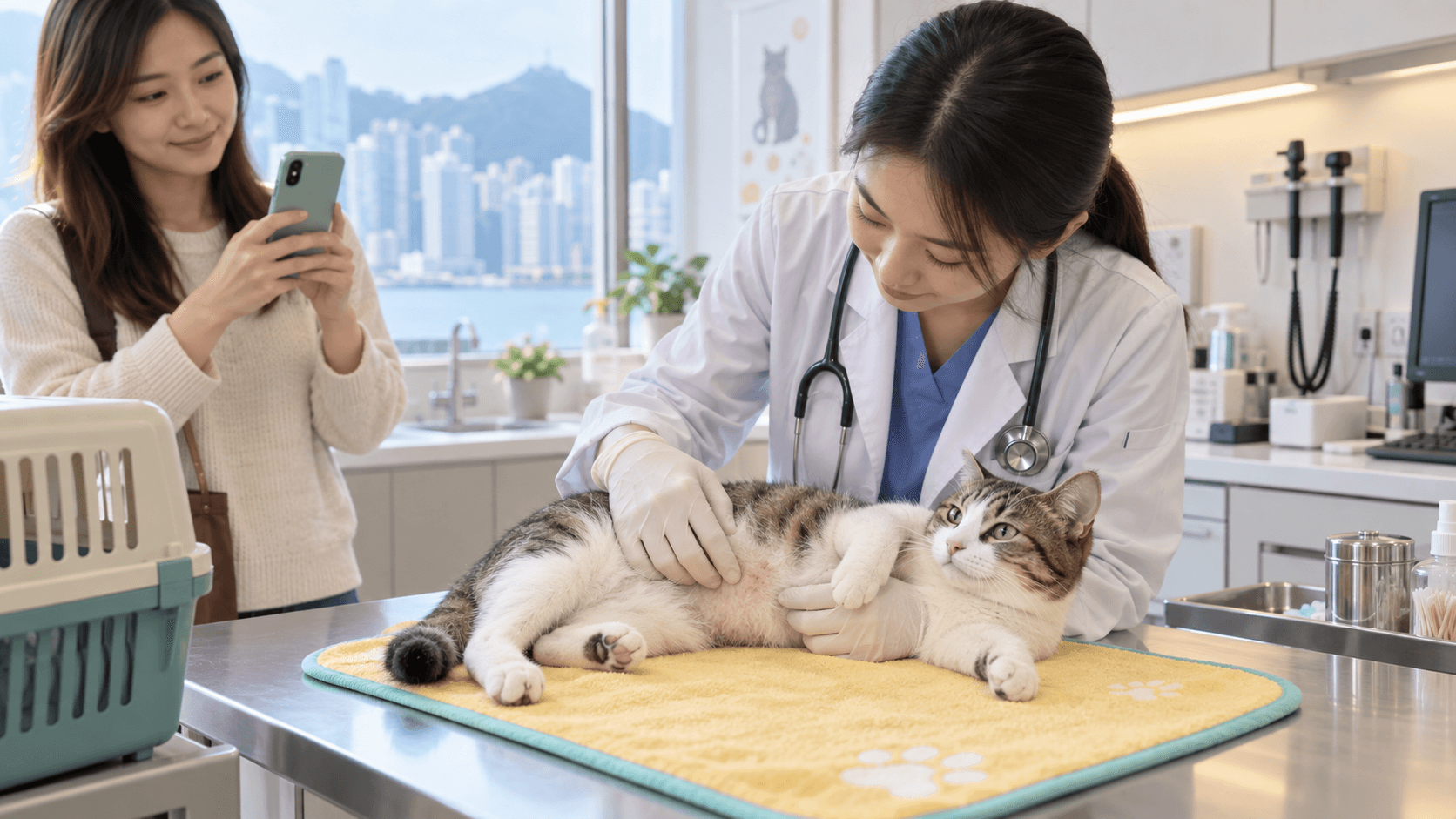
When a cat overgrooms, it is not always about staying clean
Cats naturally spend time grooming. But if yours suddenly starts licking much more than usual, keeps returning to one spot, or develops broken fur, bald patches, or sore skin, it is worth checking what is behind it. Parasites, allergies, skin infections, pain, stress, and tension at home can all be involved. A vet check should come before assuming it is simply an emotional issue.
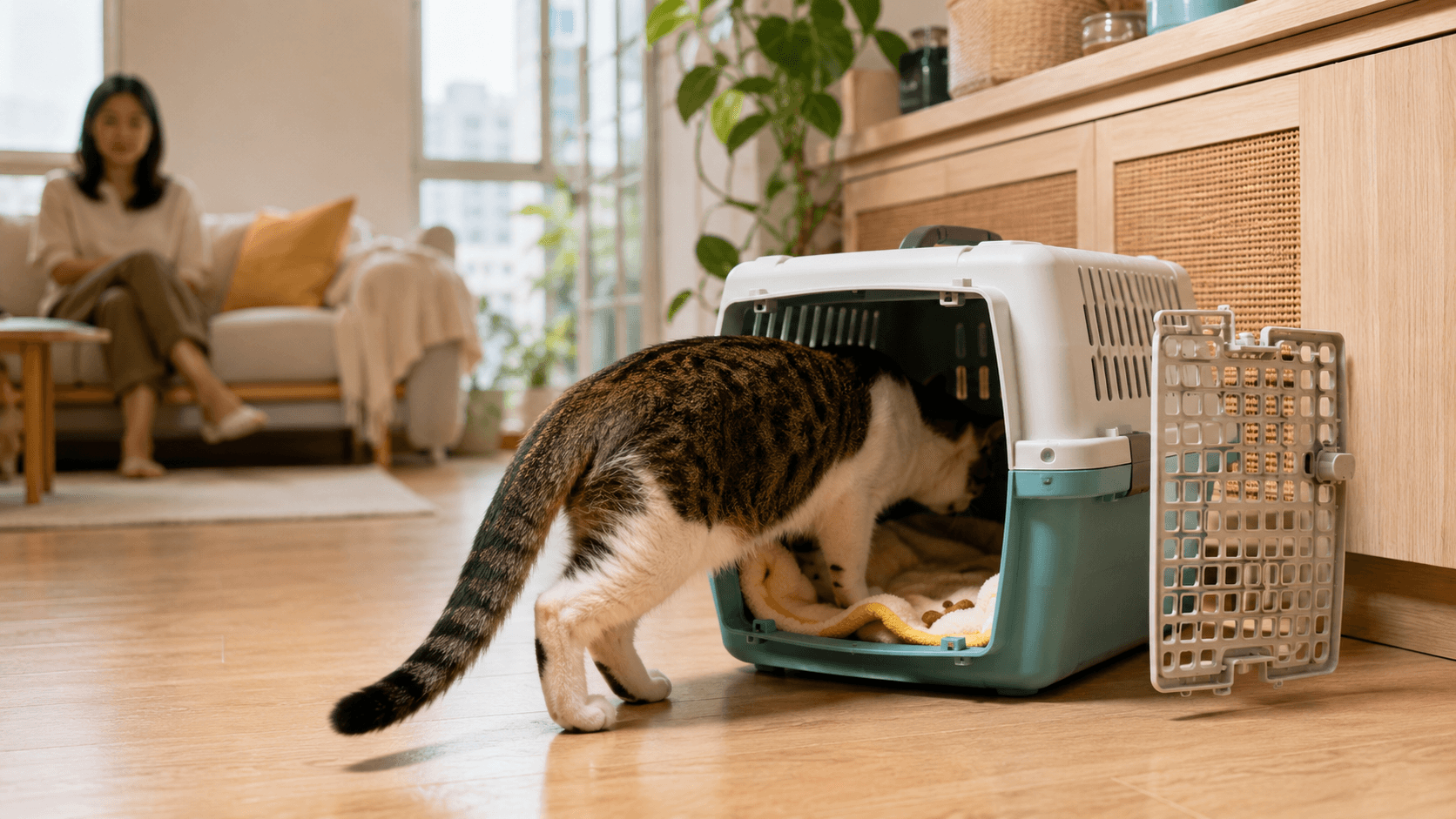
Help Your Cat Feel Safe in Their Carrier Before the Vet Visit
Leaving the carrier out at home, adding familiar bedding and treats, and gradually practising door-closing, lifting and short trips can reduce the chasing and stress that often happen just before it is time to leave.
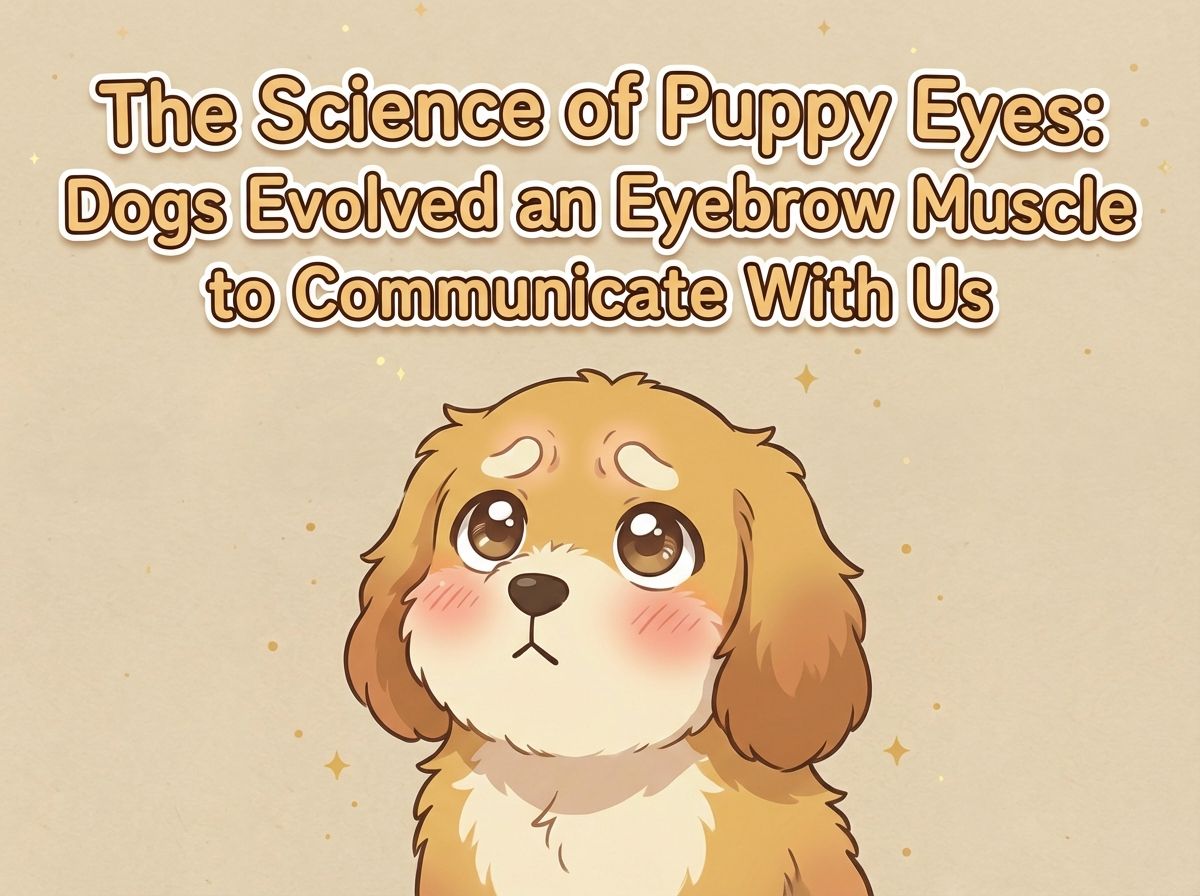
The Science of Puppy Eyes: Dogs Evolved an Eyebrow Muscle to Communicate With Us
That “innocent look” isn’t just your dog being adorable. Research comparing dog and wolf facial anatomy suggests many dogs have a specialized muscle, the levator anguli oculi medialis (LAOM), that helps lift the inner eyebrow to create the classic “puppy eyes” expression. Wolves tend to have this muscle far less developed or not consistently present, which limits their eyebrow movement. Over domestication, dogs that could make clearer, softer facial signals likely had an advantage in bonding and communicating with humans, strengthening the human-dog relationship over thousands of years.
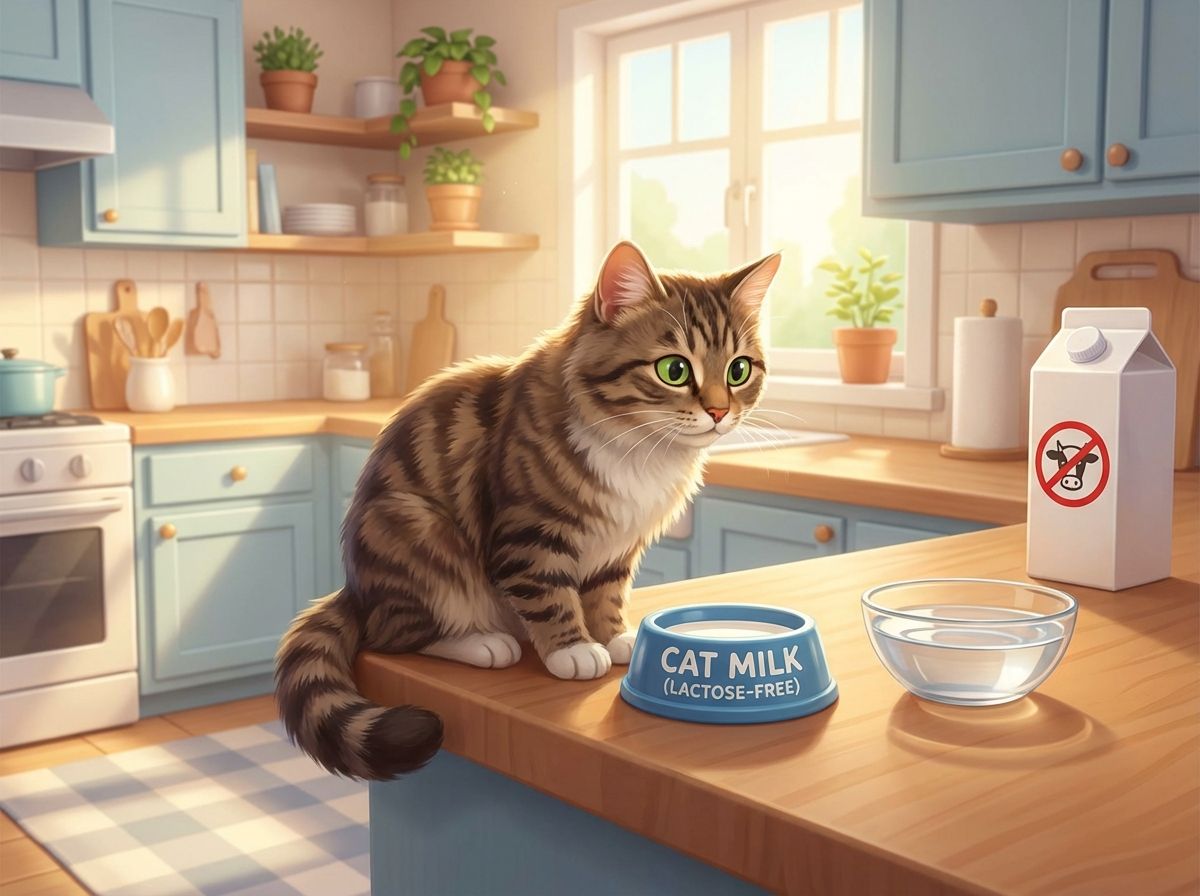
Milk for Cats: Cute in Cartoons, Risky in Real Life
Cartoons love showing cats happily drinking cow’s milk, but in real life most adult cats are lactose intolerant. Without enough lactase (the enzyme that breaks down lactose), milk can upset their stomach and trigger diarrhea. This guide explains why it happens, what safer alternatives you can offer instead, and which “milky” treats to avoid.
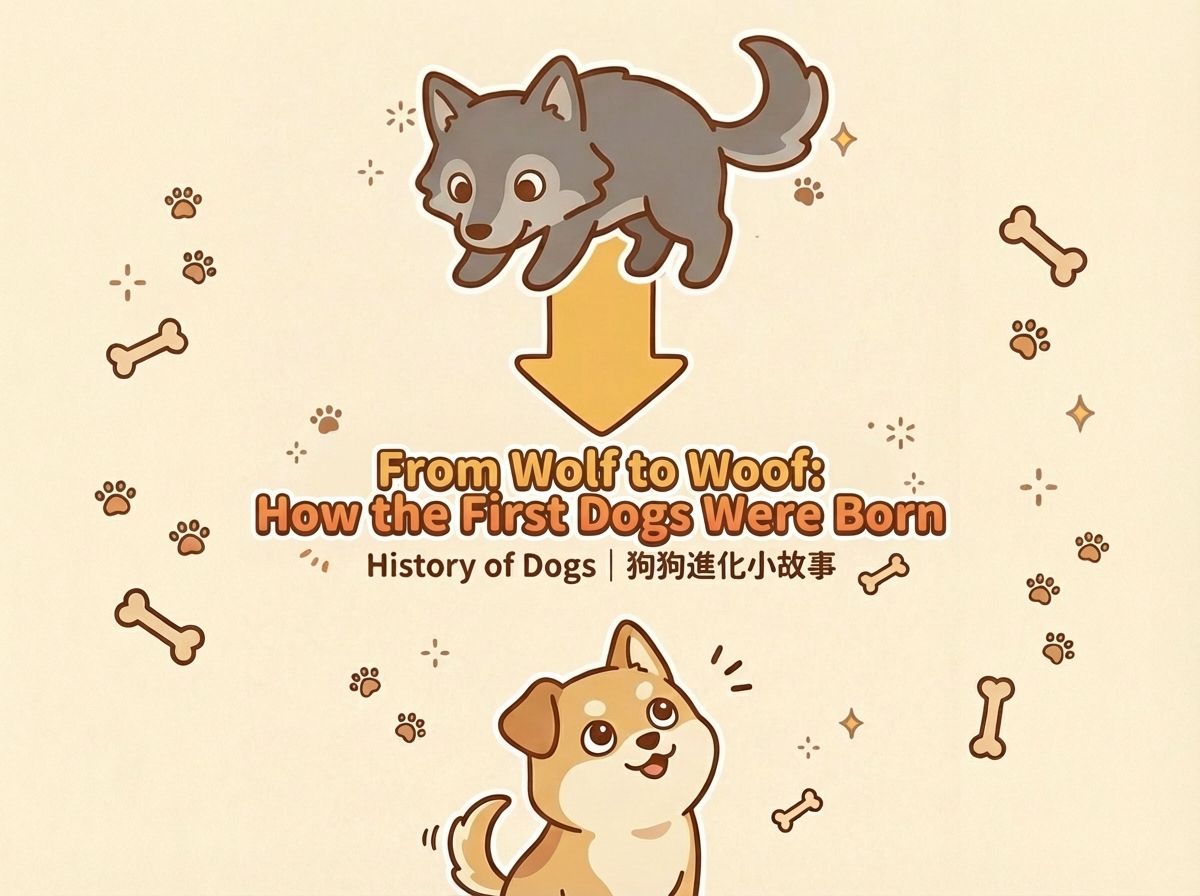
From Wolf to Woof: How the First Dogs Were Born
Dogs didn’t appear overnight, and humans didn’t simply “tame a wolf” in one dramatic moment. Today’s dogs likely began as a small group of wolves that chose to live closer to human camps thousands of years ago. Over many generations, the friendliest and least fearful wolves gained a survival advantage, gradually changing in behavior, appearance, and lifestyle until “wolf” became “dog” as we know it.
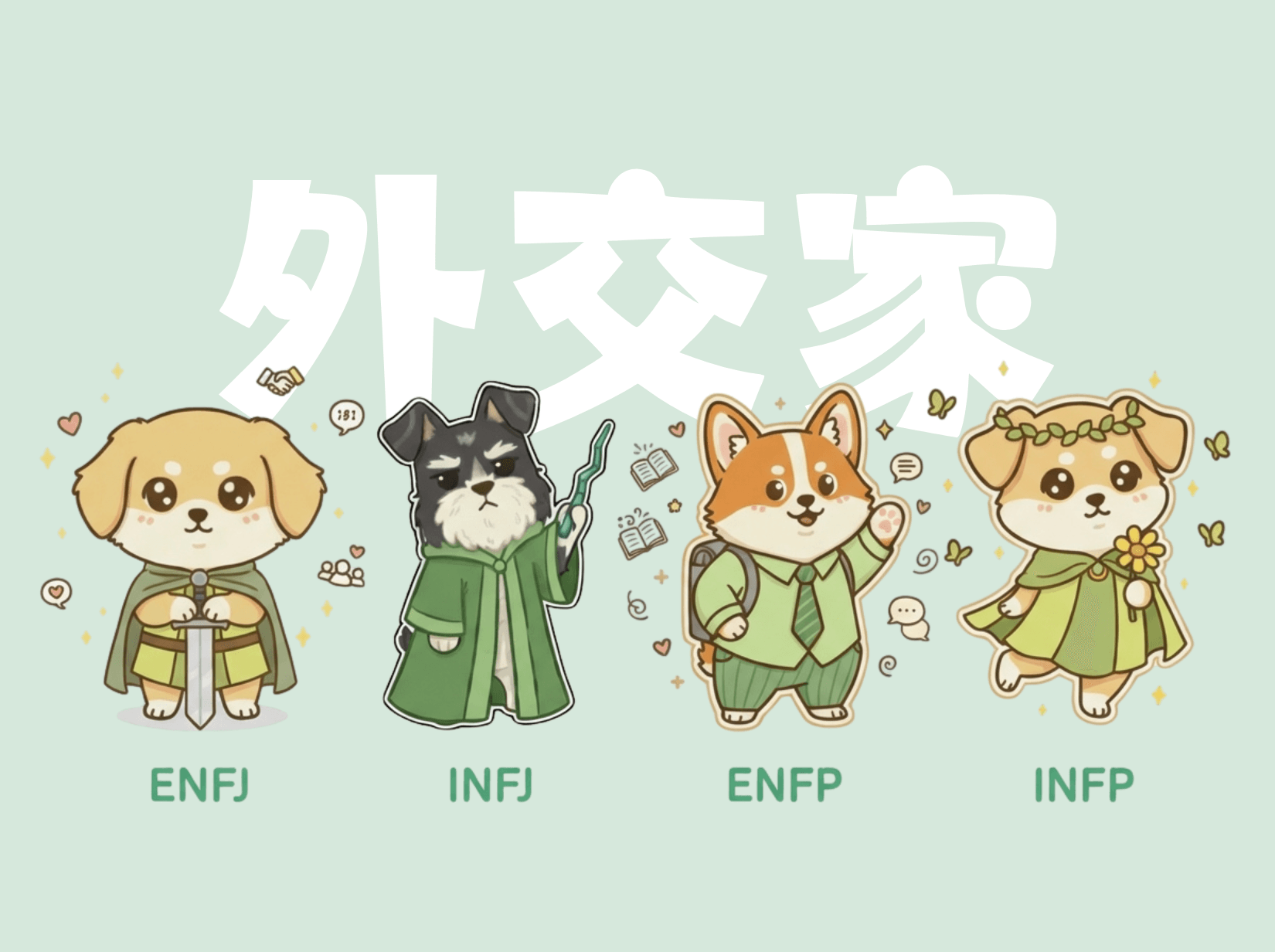
If Dogs Had MBTI: Pup MBTI, The Diplomats
Diplomat pups are the “healing with love” type: gentle, sincere, and emotionally tuned-in. This post features INFJ Mini Schnauzer, INFP mixed-breed (Tong Gau), ENFJ Golden Retriever, and ENFP Corgi. Which one matches your dog?
検索条件に一致する記事がまだありません。別のキーワードやカテゴリーをお試しください。