The Science of Puppy Eyes: Dogs Evolved an Eyebrow Muscle to Communicate With Us
That “innocent look” isn’t just your dog being adorable. Research comparing dog and wolf facial anatomy suggests many dogs have a specialized muscle, the levator anguli oculi medialis (LAOM), that helps lift the inner eyebrow to create the classic “puppy eyes” expression. Wolves tend to have this muscle far less developed or not consistently present, which limits their eyebrow movement. Over domestication, dogs that could make clearer, softer facial signals likely had an advantage in bonding and communicating with humans, strengthening the human-dog relationship over thousands of years.

JSMS
14 January 2026 · 2分で読了
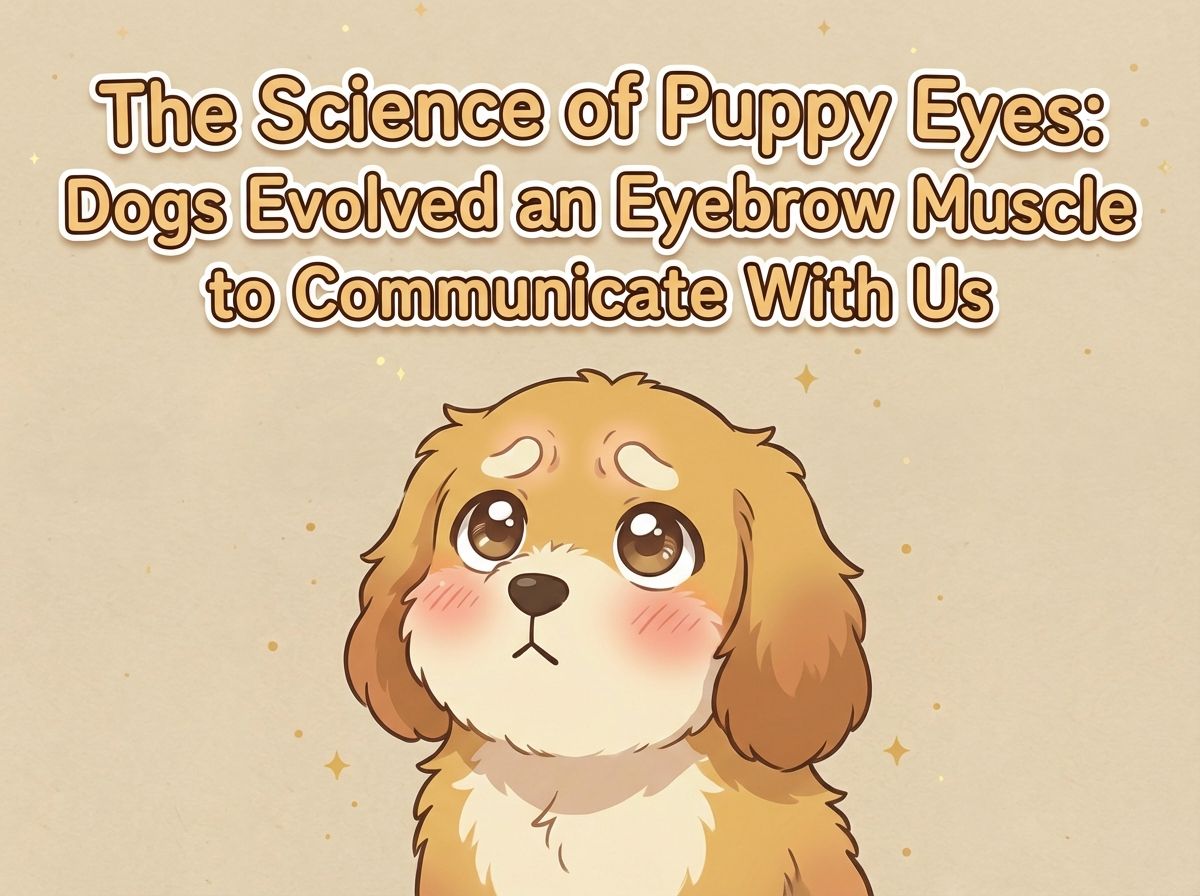
You think your dog’s “innocent eyes” are just natural cuteness?
They’re cute, yes, but there’s also biology behind them.
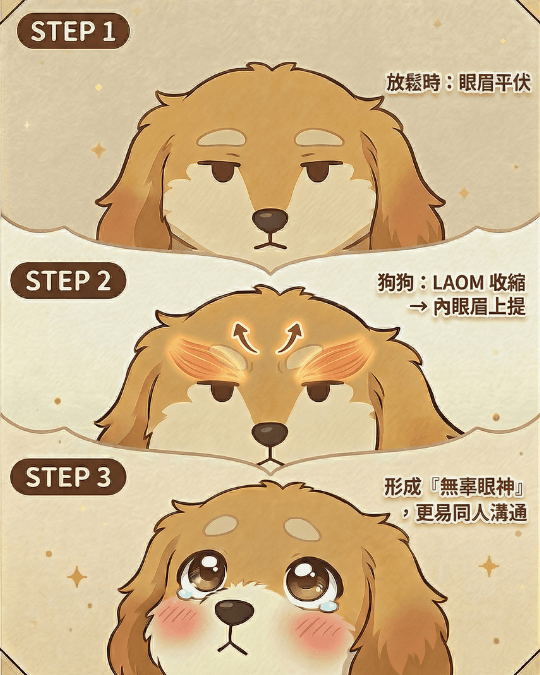
Scientists have identified a specific facial muscle in dogs that plays a big role in the “Puppy Eyes” expression:
Levator Anguli Oculi Medialis (LAOM)
This muscle helps raise the inner eyebrow (near the nose), which can make a dog’s eyes look:
• larger
• softer
• more “sad” or pleading to human observers
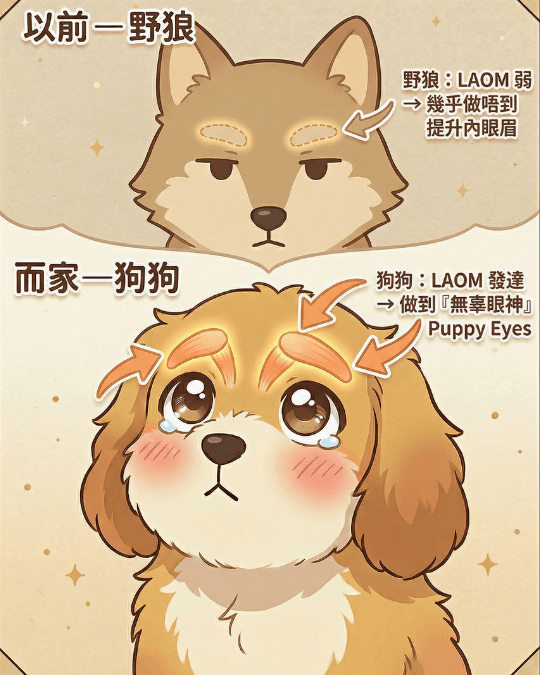
Wolves don’t do Puppy Eyes the same way
When researchers compared dog and wolf anatomy, they found a striking difference:
• In many domestic dogs, the LAOM is clearly developed and consistently present
• In wolves, it’s much less developed or not consistently present, meaning less inner-eyebrow mobility and fewer “heart-melting” expressions.
Less eyebrow movement → fewer human-readable facial cues → less of that “please forgive me” look.
Why would dogs evolve this?
Domestication didn’t just change behavior. It changed bodies too.
One leading idea is that during early human-dog coexistence, dogs that were better at facial communication had an advantage. Humans tend to respond strongly to faces that look:
• baby-like (big eyes, soft features)
• emotionally expressive
• “needy” in a way that triggers caregiving
That inner-brow raise resembles a facial movement humans make when sad, which may help explain why it works so well on us.
Puppy Eyes are communication, not just decoration
That look can support the human-dog bond in practical ways:
✔ Signals friendliness and non-threat
✔ Makes intention easier to read (“I want something” / “I’m unsure”)
✔ Boosts emotional connection and human attention
✔ Helps dogs tune into human reactions during interaction
The takeaway
Puppy Eyes aren’t only cute.
They’re a tiny piece of evidence that the human-dog relationship is the result of long-term co-evolution: dogs became better at reading us, and also better at being read by us.
執筆者
JSMS
Contributor
ペットのデジタルコンパニオン。楽しいアバターや動画を作成し、思い出を整理し、コミュニティと共有し、AIによるケアのヒントを得ましょう。
関連記事

From Wolf to Woof: How the First Dogs Were Born
Dogs didn’t appear overnight, and humans didn’t simply “tame a wolf” in one dramatic moment. Today’s dogs likely began as a small group of wolves that chose to live closer to human camps thousands of years ago. Over many generations, the friendliest and least fearful wolves gained a survival advantage, gradually changing in behavior, appearance, and lifestyle until “wolf” became “dog” as we know it.
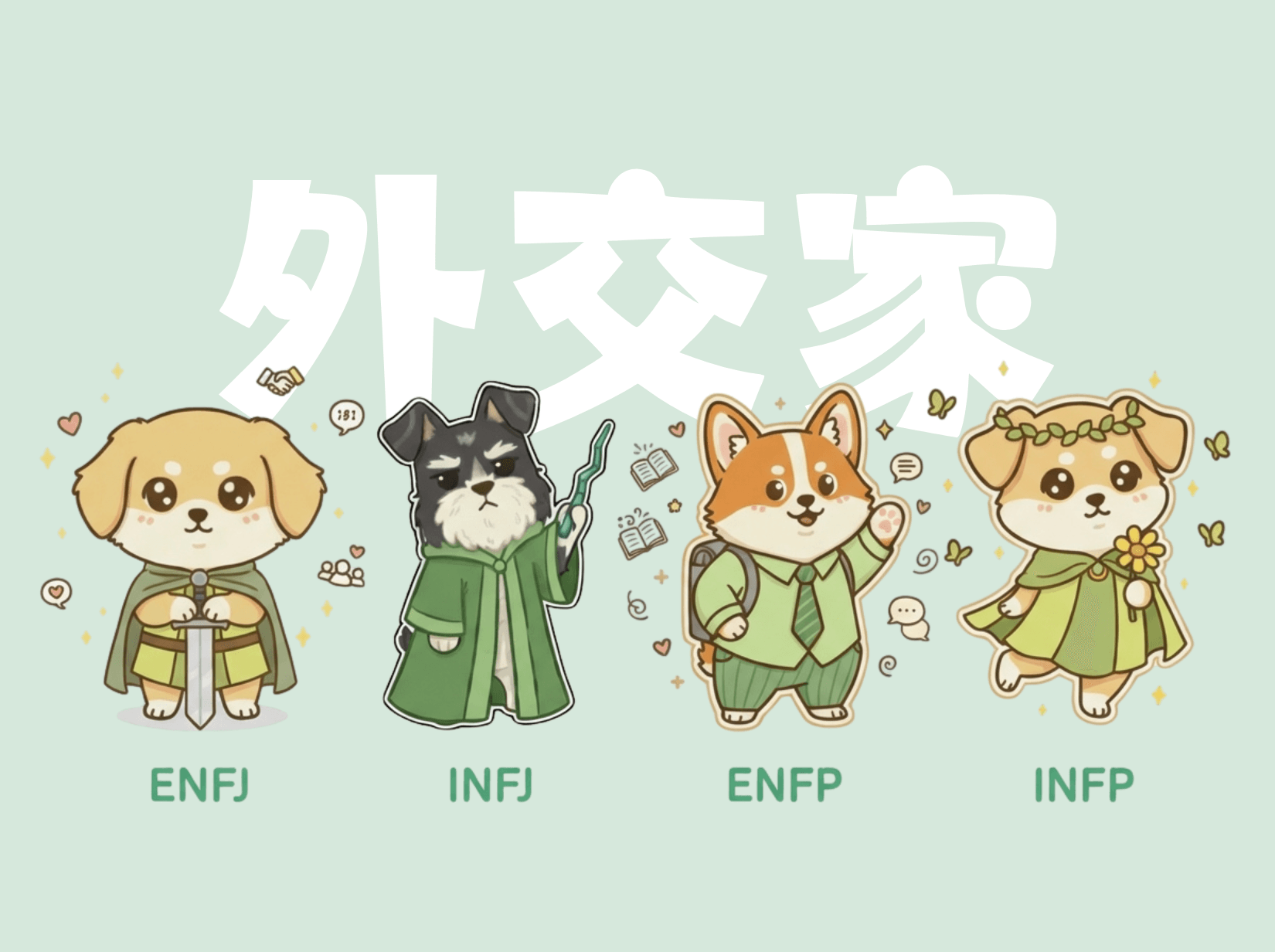
If Dogs Had MBTI: Pup MBTI, The Diplomats
Diplomat pups are the “healing with love” type: gentle, sincere, and emotionally tuned-in. This post features INFJ Mini Schnauzer, INFP mixed-breed (Tong Gau), ENFJ Golden Retriever, and ENFP Corgi. Which one matches your dog?
Snoring Is Not Always Cute: Breathing Signs in Flat-Faced Dogs
Some flat-faced dogs naturally make more breathing noise than others, but frequent snoring is not always harmless. Trouble recovering after exercise, disturbed sleep, or overheating should be checked by a veterinarian.