Milk for Cats: Cute in Cartoons, Risky in Real Life
Cartoons love showing cats happily drinking cow’s milk, but in real life most adult cats are lactose intolerant. Without enough lactase (the enzyme that breaks down lactose), milk can upset their stomach and trigger diarrhea. This guide explains why it happens, what safer alternatives you can offer instead, and which “milky” treats to avoid.

JSMS
12 January 2026 · 2 分鐘閱讀
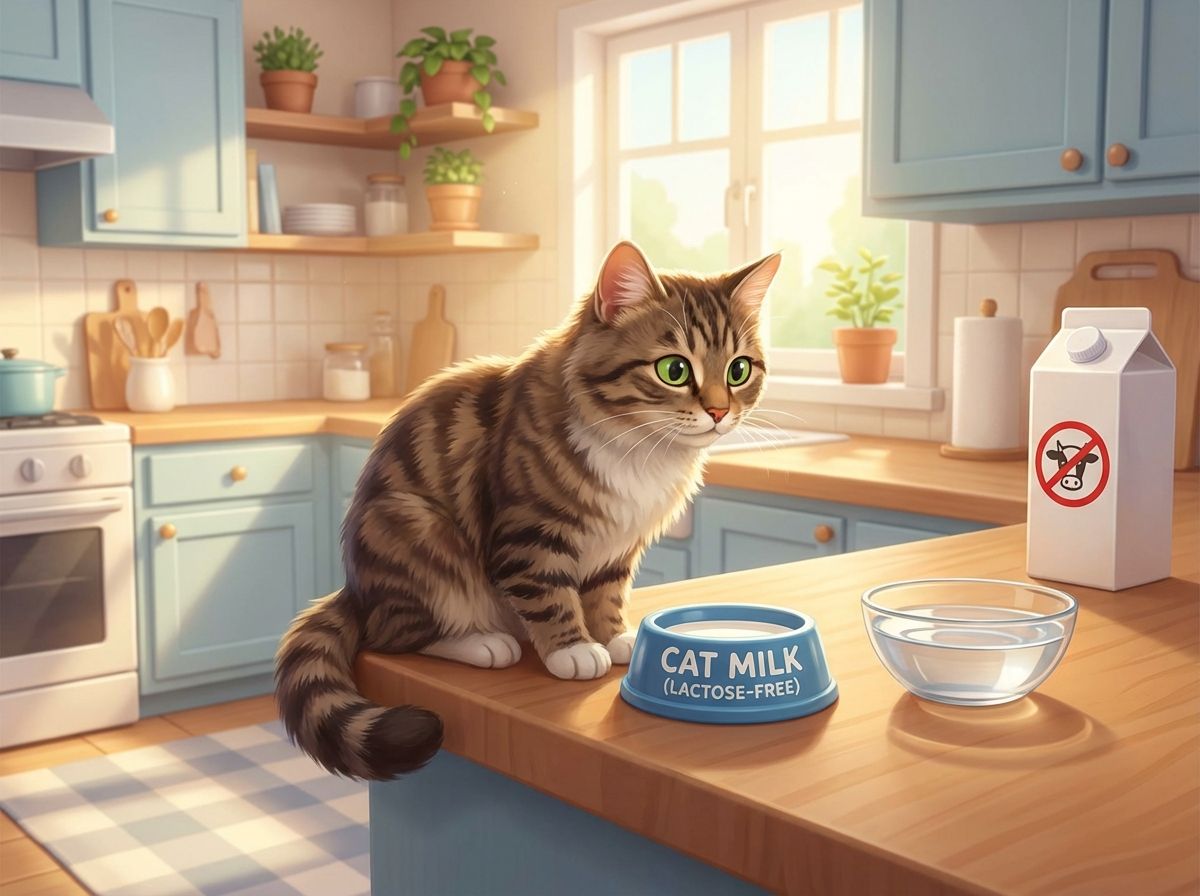
We’ve all seen it: a cartoon cat with a big grin, lapping up a bowl of milk like it’s the best thing on earth.
Reality check: for most cats, cow’s milk is more “tummy trouble” than “treat.”
Why most cats can’t handle milk
Most adult cats are lactose intolerant. That means they don’t produce enough lactase, the enzyme needed to digest lactose (the natural sugar in milk).
So what happens when a lactose-intolerant cat drinks cow’s milk?
• Lactose isn’t broken down properly in the small intestine
• It moves into the gut where it draws in water and ferments
• Result: gas, bloating, stomach cramps, and diarrhea
Kittens can digest their mother’s milk better, but as cats grow up, lactase levels usually drop. That’s why an adult cat who “seems fine” with a tiny lick may still get an upset stomach after a bigger serving.
“But my cat loves milk!”
Totally believable. Milk smells rich and tasty.
But liking something doesn’t always mean it’s safe, kind of like a toddler loving candy for breakfast.
If your cat has ever had loose stool after dairy, milk is a likely suspect.
What to offer instead (safer options)
If you want to spoil your cat without the bathroom drama, try these:
✅ Fresh water (always the #1 choice)
Hydration is the real superstar. If your cat isn’t drinking much, consider a water fountain.
✅ Cat milk / lactose-free cat formula
These are made specifically for cats and are usually lactose-free or very low lactose.
✅ Low-sodium cat soup / hydration broth pouches
Great for picky drinkers and extra hydration. Check the label for no onion/garlic and low salt.
✅ Cat-specific cheese treats (only in small amounts)
Made for cats, portioned as tiny snacks. Even then, keep it occasional.
Don’t experiment with these
Avoid these entirely:
✘ Regular cow’s milk or evaporated/condensed milk
High lactose, high risk.
✘ Milk tea, whipped cream, cheese foam, “creamy” drinks
These often contain sugar, caffeine, additives, and dairy. Some ingredients can be harmful beyond just lactose.
✘ Any human “milk treat” you think tastes good
Cats and humans don’t share the same digestion system. What’s comfort food for you can be chaos for them.
The key takeaway
Human dairy products are not cat supplements.
If you want to give something “milky,” choose cat-safe lactose-free options and treat them as an occasional snack, not a daily habit.
作者
JSMS
Contributor
您寵物的數碼夥伴。創建有趣的頭像和影片,整理回憶,與社區分享,並獲取AI驅動的護理提示。
繼續閱讀
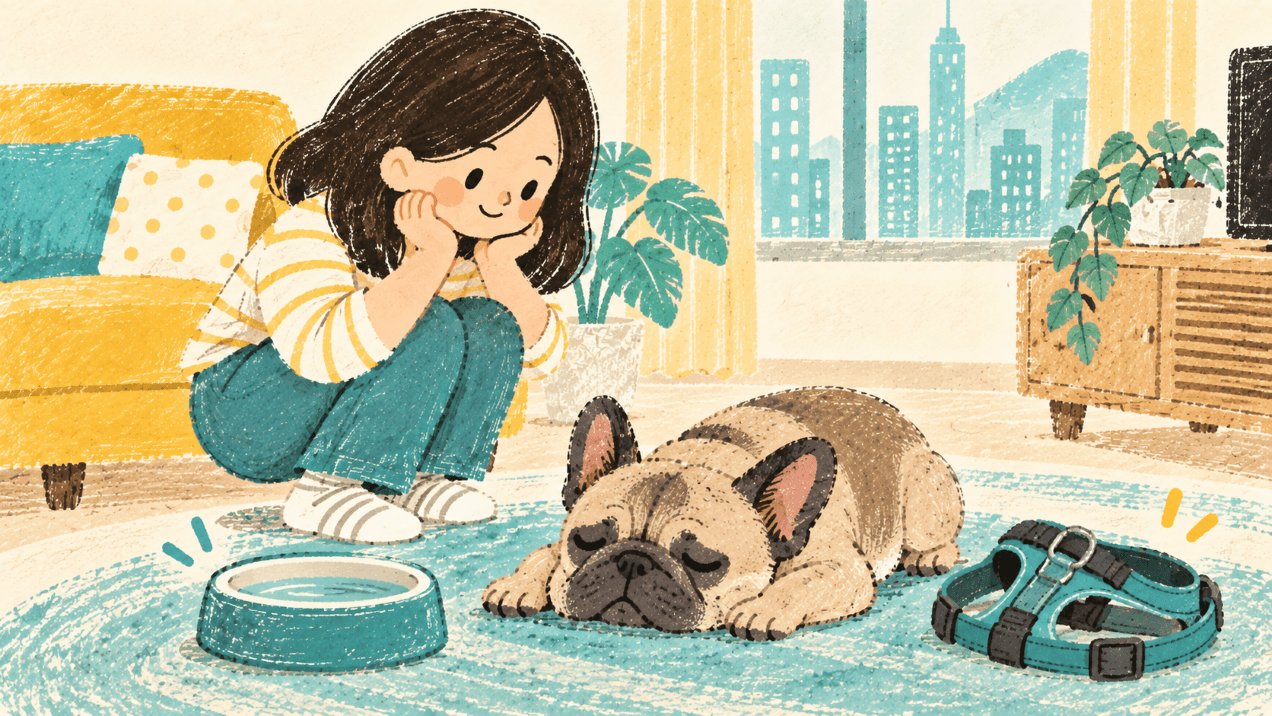
Snoring Is Not Always Cute: Breathing Signs in Flat-Faced Dogs
Some flat-faced dogs naturally make more breathing noise than others, but frequent snoring is not always harmless. Trouble recovering after exercise, disturbed sleep, or overheating should be checked by a veterinarian.
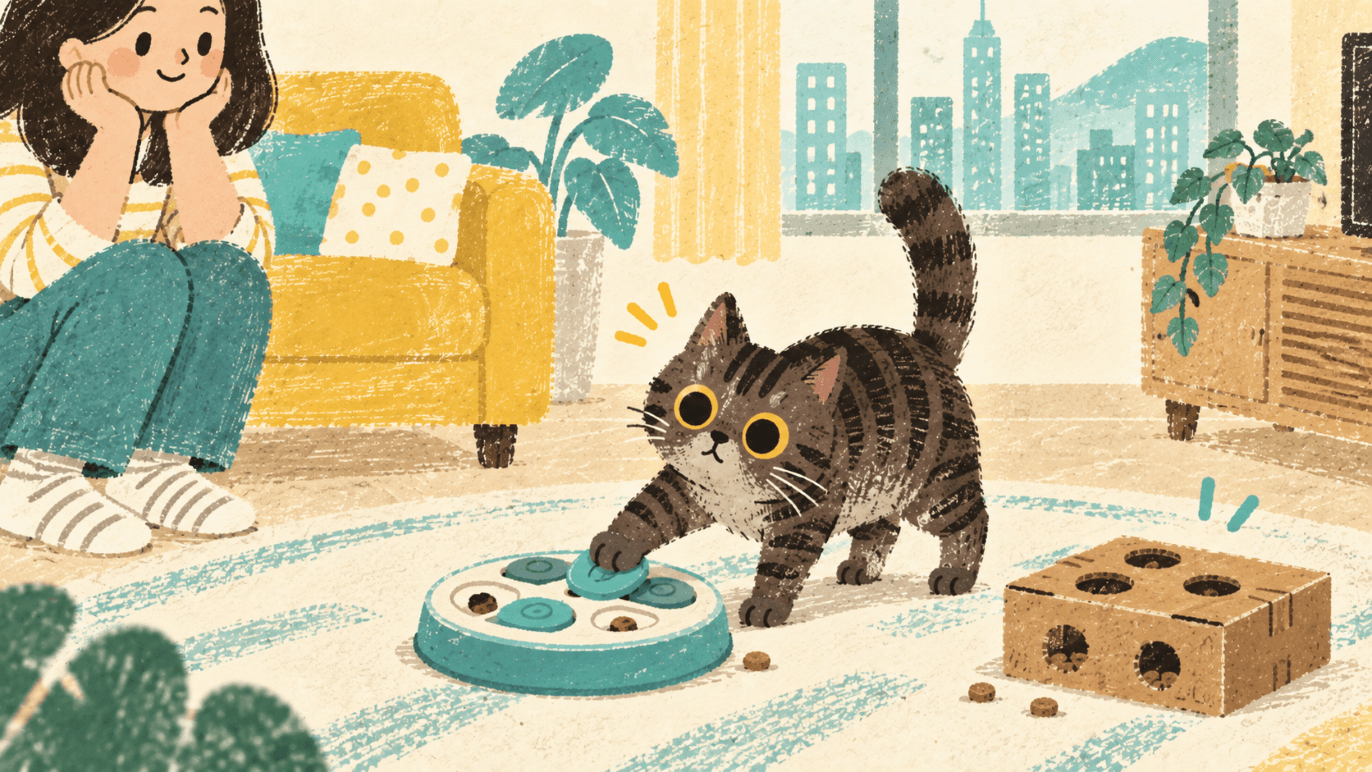
Turn One Meal into a Small Challenge with Puzzle Feeding
Puzzle feeders let cats paw, search, and work for part of their meal. Start easy, keep some food in a bowl, and count everything within their daily allowance.
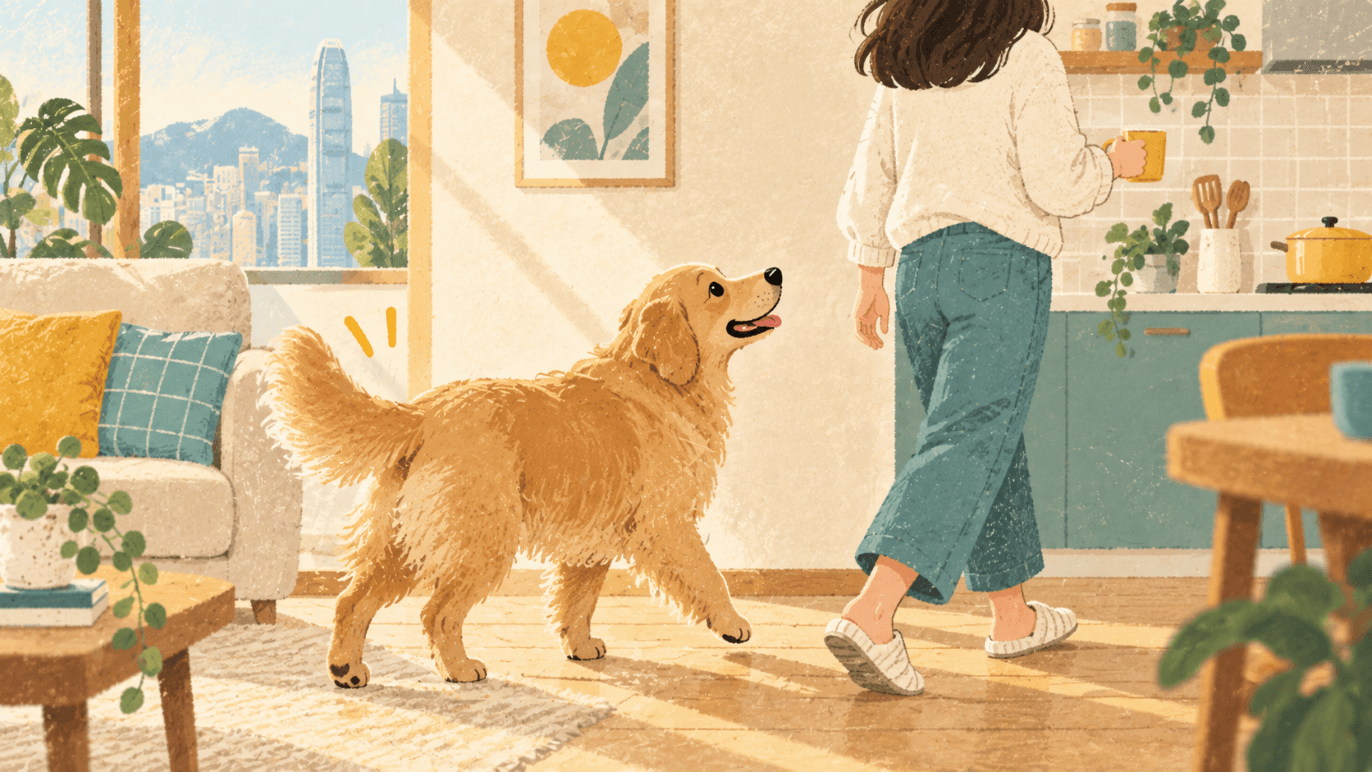
Why Does Your Dog Follow You Everywhere?
Following you from room to room can be a normal sign of companionship, curiosity, or a hope for food or play. The important question is how your dog behaves when you are apart.