Does Your Dog Panic When Left Alone? Start with Seconds, Not Hours
Dogs do not learn to feel safe alone by being left to cope for a long time. Calm, gradual practice is a kinder and more useful place to start.

Ha-Kun
18 September 2026 · 1 分鐘閱讀
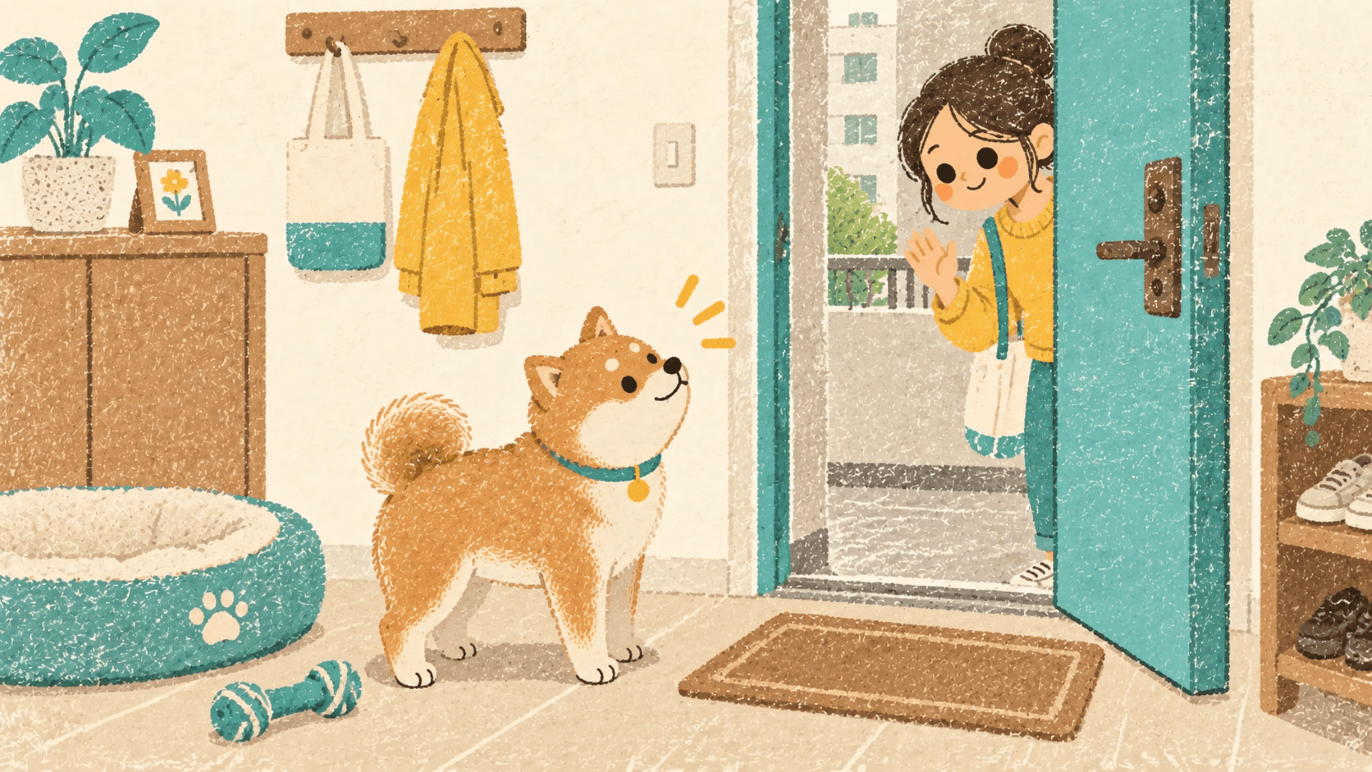
Barking, pacing, scratching at the door, or panting as soon as you leave may be more than “clingy” behaviour. Your dog could be distressed about being alone.
Start small. Step outside for a few seconds, then return before your dog becomes worried. Repeat at a level they can handle, then build up slowly. Seconds can become minutes over time.
Keep departures and homecomings calm. A familiar resting spot, safe chew, or food toy can help some dogs settle. If they will not touch the treat once you leave, that can be a sign they are too anxious to relax.
Avoid telling your dog off for barking, chewing, accidents, or messes you find when you return. Punishment can increase fear and will not teach them that alone time is safe.
A phone or pet camera can be useful. Watch what happens in the first few minutes after you leave. Note any barking, pacing, drooling, toileting indoors, attempts to escape, or destruction around doors and windows.
If these signs continue, speak with your veterinarian or a qualified reward-based behaviour professional. A good plan moves at your dog’s pace, not the clock.
作者
Ha-Kun
Contributor
您寵物的數碼夥伴。創建有趣的頭像和影片,整理回憶,與社區分享,並獲取AI驅動的護理提示。
繼續閱讀
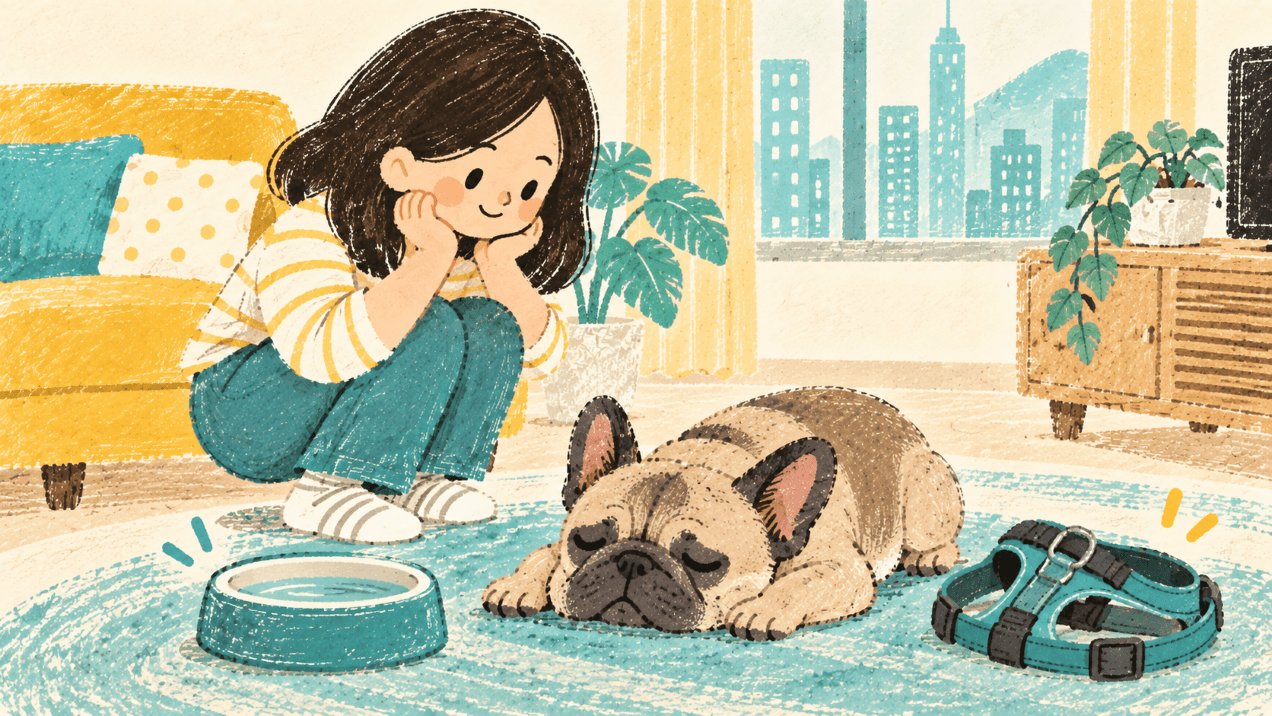
Snoring Is Not Always Cute: Breathing Signs in Flat-Faced Dogs
Some flat-faced dogs naturally make more breathing noise than others, but frequent snoring is not always harmless. Trouble recovering after exercise, disturbed sleep, or overheating should be checked by a veterinarian.
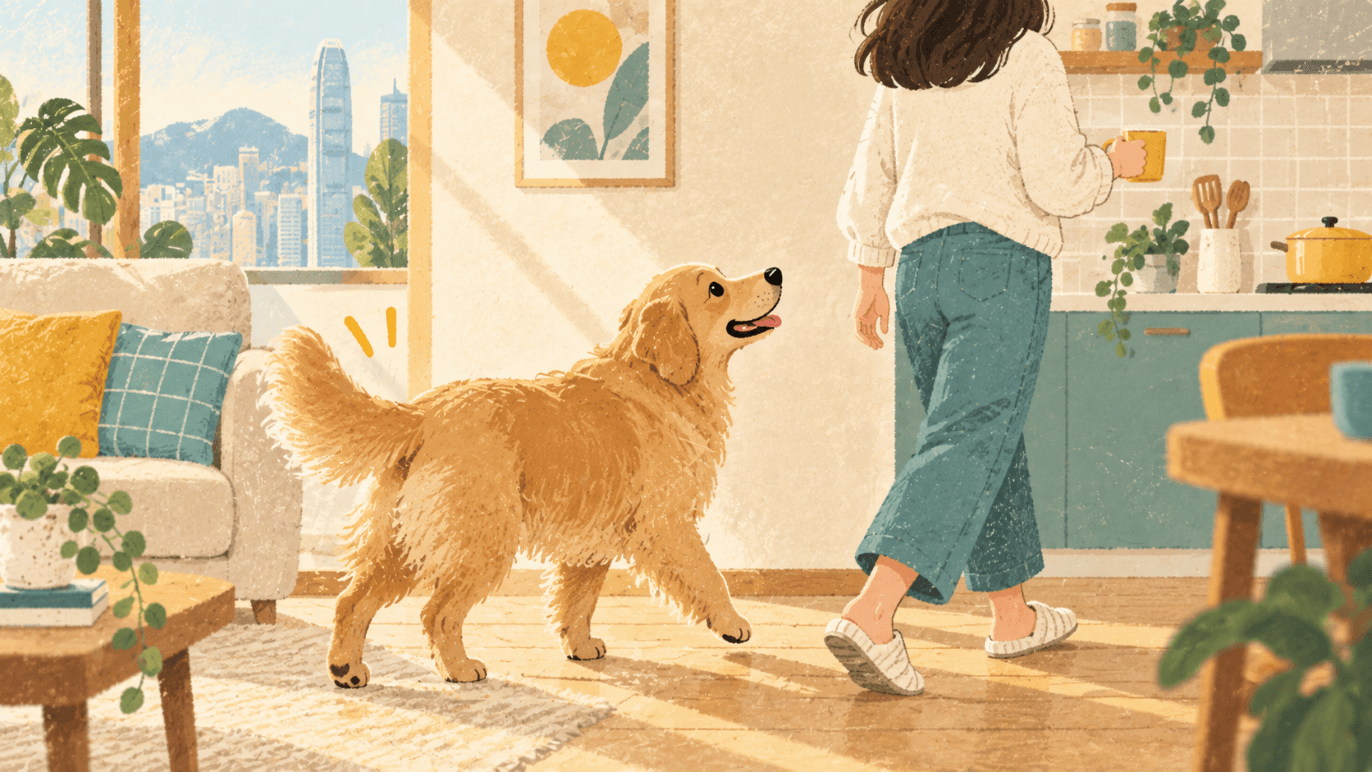
Why Does Your Dog Follow You Everywhere?
Following you from room to room can be a normal sign of companionship, curiosity, or a hope for food or play. The important question is how your dog behaves when you are apart.
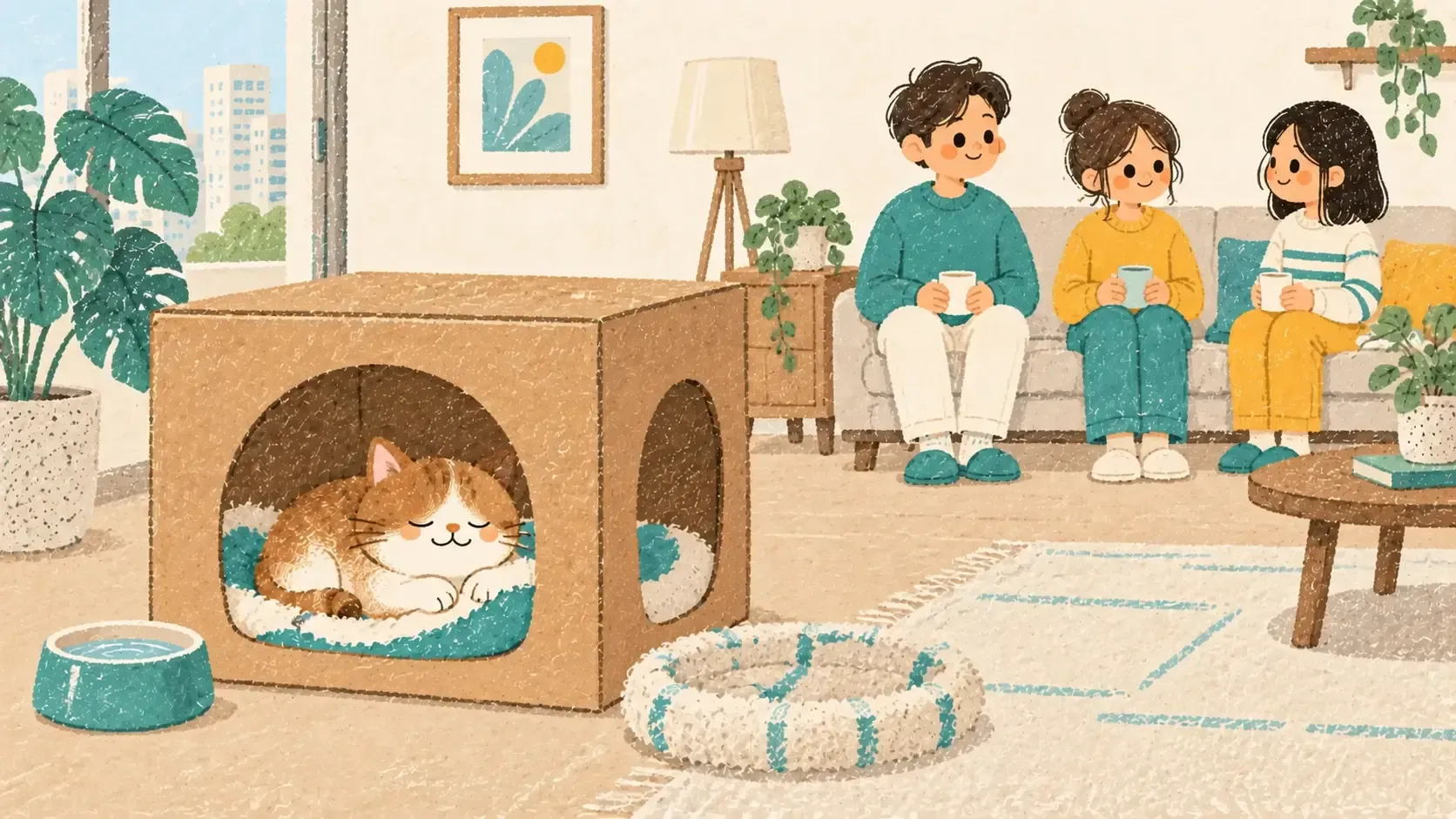
Cat Disappears When Guests Arrive? Hiding Can Be a Healthy Choice
When visitors arrive, many cats feel safer watching from a distance or hiding completely. Instead of bringing them out to meet everyone, give them a quiet place where they can choose when, or if, to reappear.