What Is Your Cat's Tail Trying to Tell You?
An upright tail, a puffed-up tail and fast swishing can mean very different things. Look at the ears, eyes, posture and situation before deciding how your cat feels.

Pi-Chan
10 September 2026 · 1 menit membaca
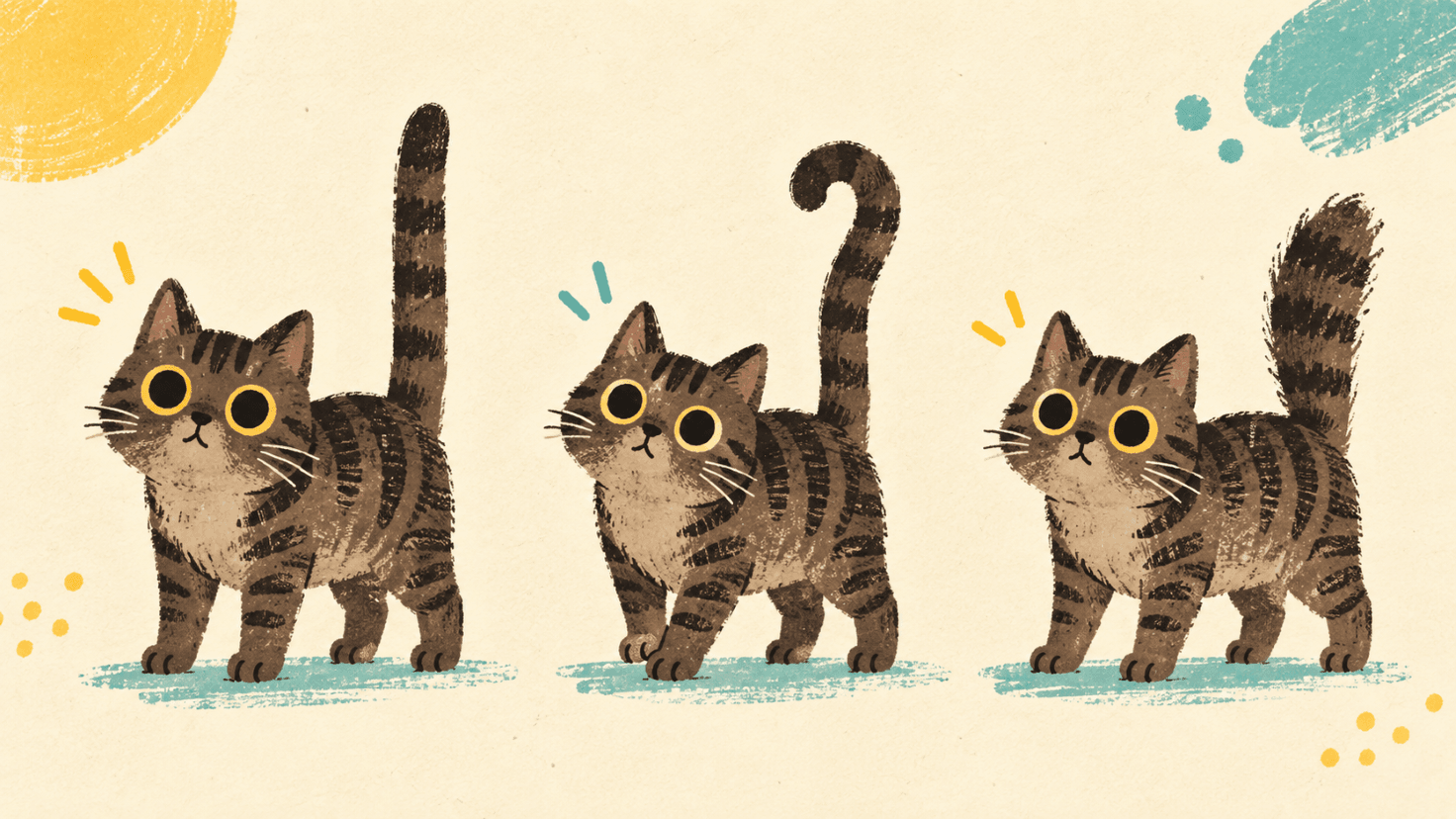
Cats cannot tell us how they feel in words, but their tails give us plenty of clues. Understanding these signals can help you recognise when your cat is open to interaction, and when they need space.
When a cat approaches with their tail held upright and body relaxed, it is usually a friendly greeting and a sign that they feel comfortable and confident. A slight question-mark curve at the tip often appears when a cat is in a good mood and willing to interact. A suddenly puffed-up tail usually means the cat is frightened or feels threatened. They are trying to make themselves look bigger.
A tail held close to the body or tucked between the legs can mean fear or unease. If a seated cat sweeps their tail rapidly and forcefully from side to side, they are often irritated, overstimulated or warning someone to stop. A gently twitching tail tip can mean something different, especially when a cat is fixed on a bird or insect outside. In that moment, they may simply be concentrating.
Do not judge a cat's mood from the tail alone. Also notice whether the ears are turned back, how large the pupils are, whether the body is tense and what is happening at the time. Respecting your cat's “stop” signals builds far more trust than forcing them to be held.
Ditulis oleh
Pi-Chan
Contributor
Pendamping digital hewan peliharaan Anda. Buat avatar & film yang menyenangkan, atur kenangan, berbagi dengan komunitas, dan dapatkan tips perawatan bertenaga AI.
Lanjutkan membaca
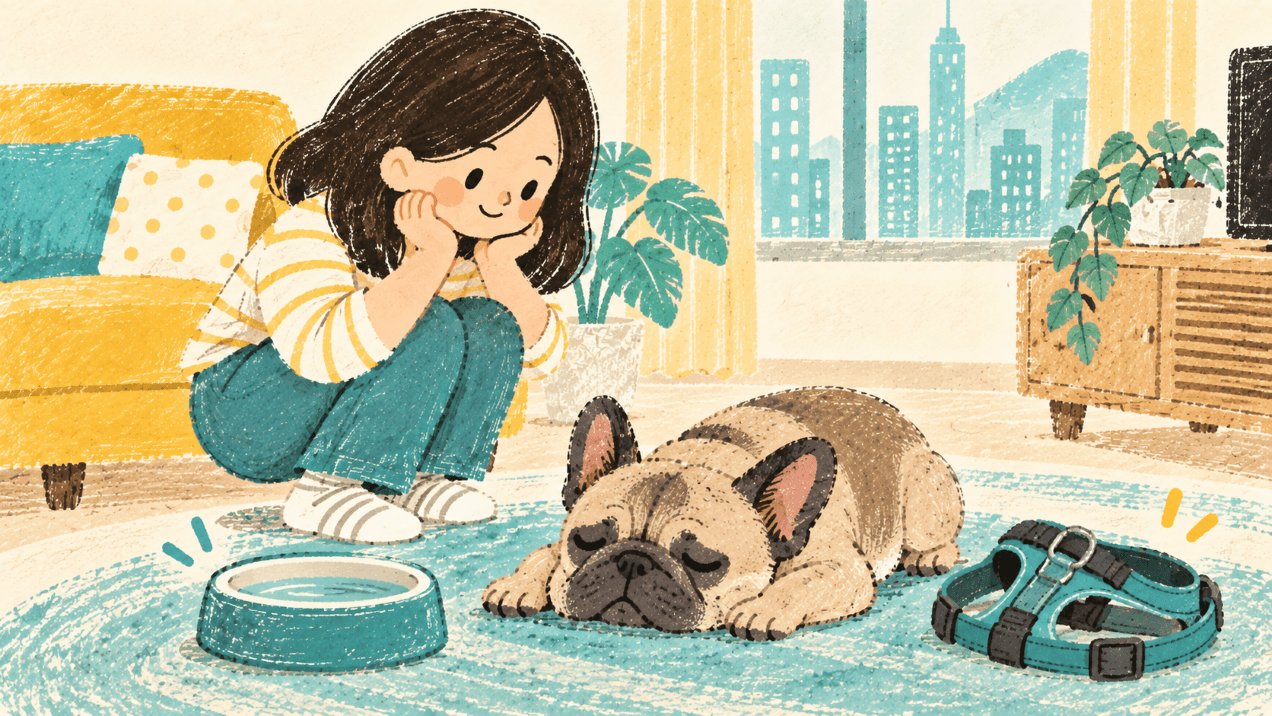
Snoring Is Not Always Cute: Breathing Signs in Flat-Faced Dogs
Some flat-faced dogs naturally make more breathing noise than others, but frequent snoring is not always harmless. Trouble recovering after exercise, disturbed sleep, or overheating should be checked by a veterinarian.

Why Does Your Dog Follow You Everywhere?
Following you from room to room can be a normal sign of companionship, curiosity, or a hope for food or play. The important question is how your dog behaves when you are apart.
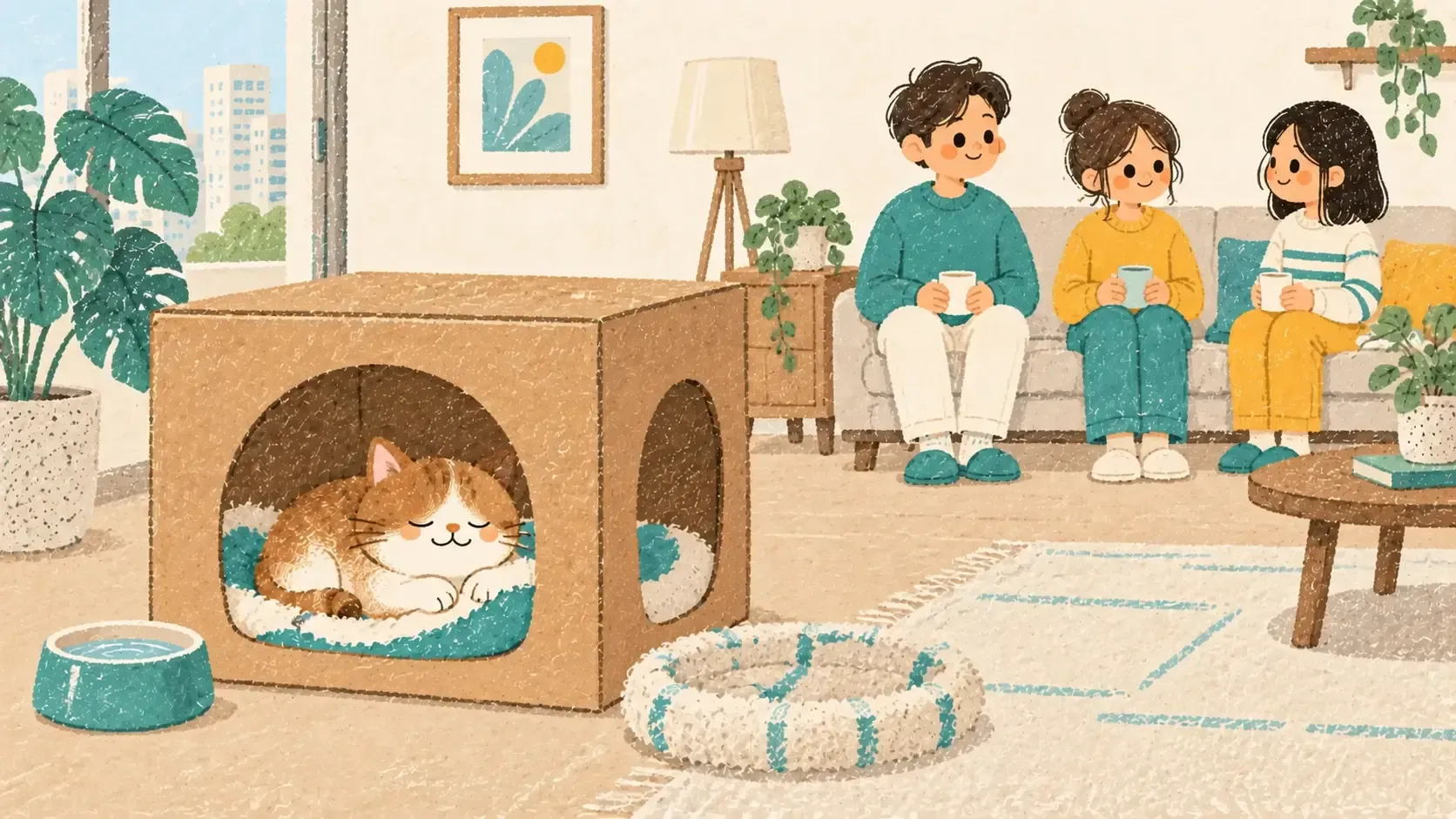
Cat Disappears When Guests Arrive? Hiding Can Be a Healthy Choice
When visitors arrive, many cats feel safer watching from a distance or hiding completely. Instead of bringing them out to meet everyone, give them a quiet place where they can choose when, or if, to reappear.