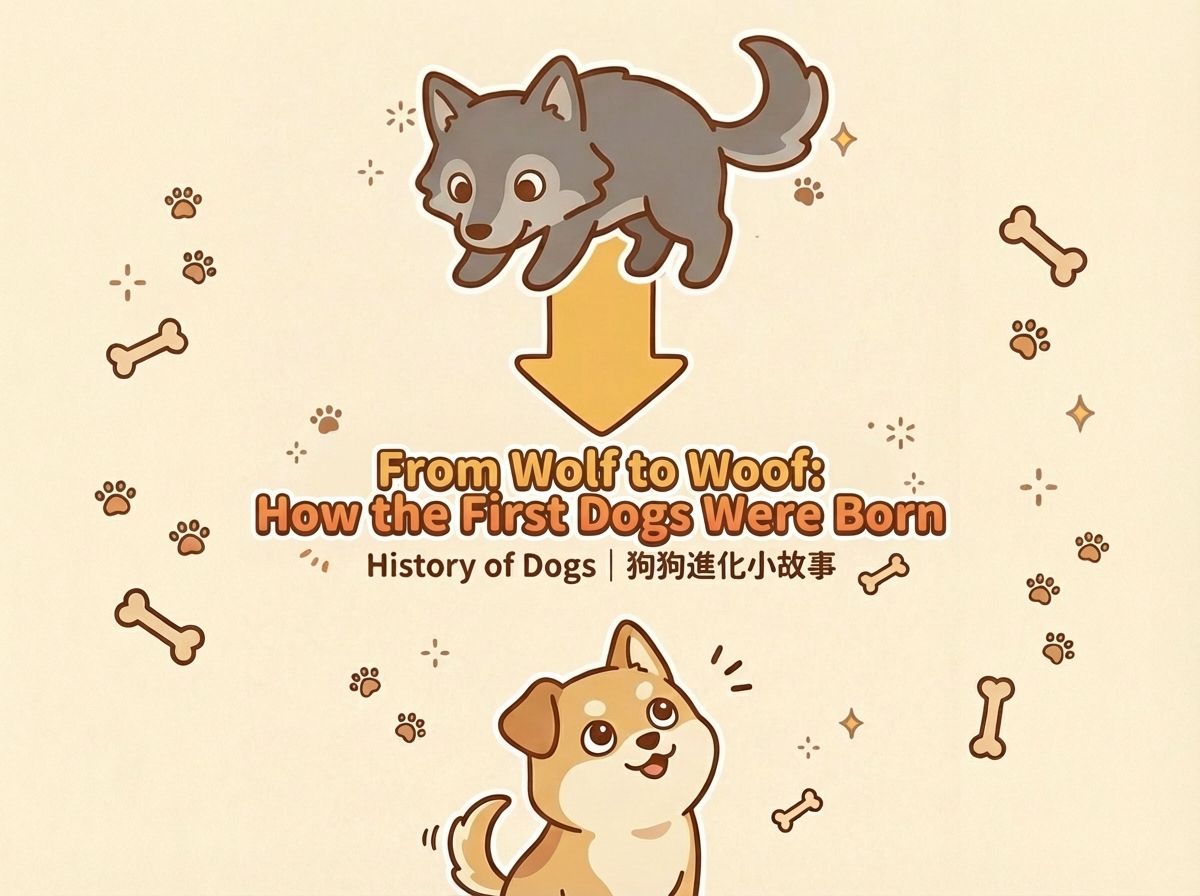
From Wolf to Woof: How the First Dogs Were Born
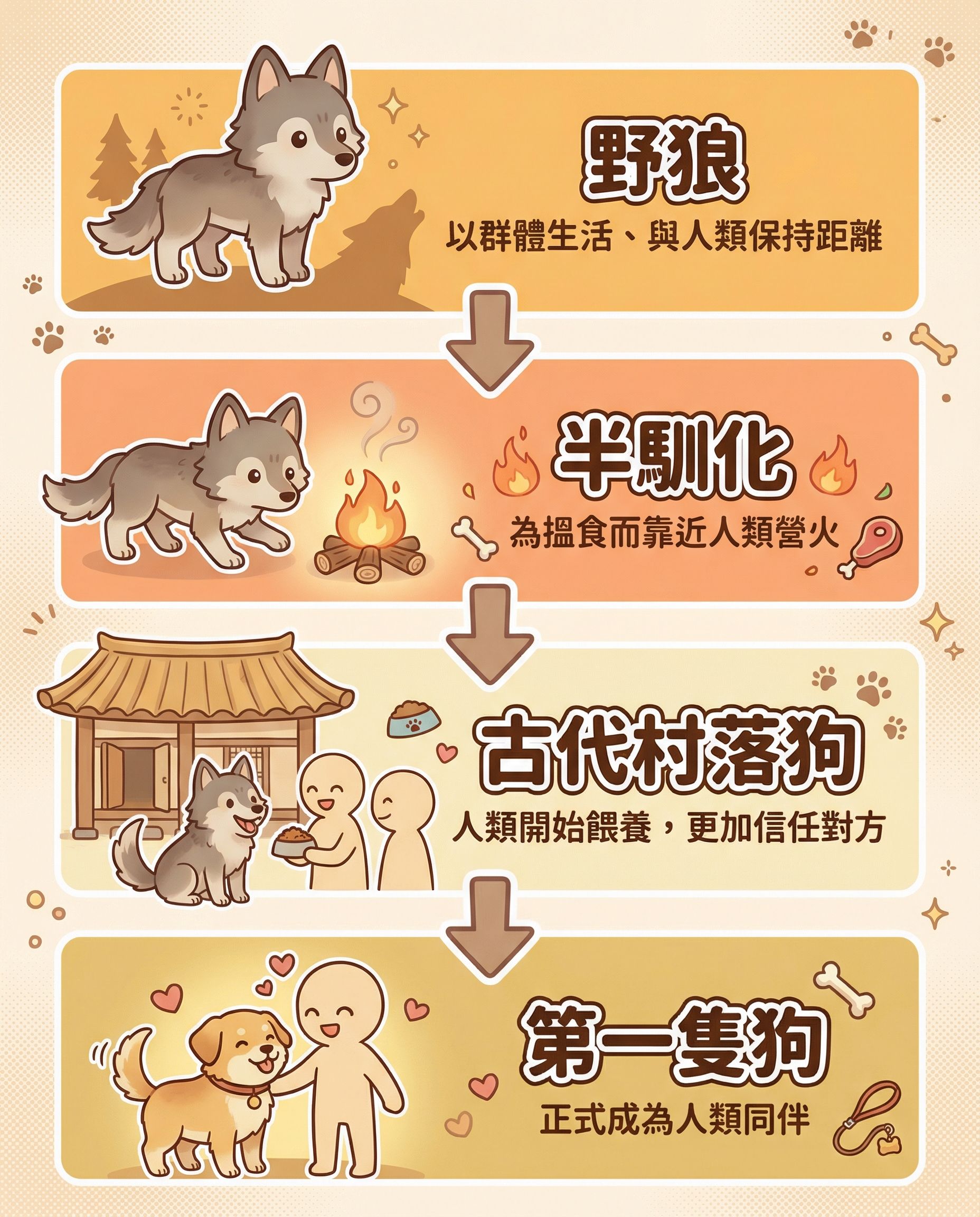
Dogs didn’t appear overnight, and humans didn’t simply “tame a wolf” in one dramatic moment. Today’s dogs likely began as a small group of wolves that chose to live closer to human camps thousands of years ago. Over many generations, the friendliest and least fearful wolves gained a survival advantage, gradually changing in behavior, appearance, and lifestyle until “wolf” became “dog” as we know it.

JSMS
12 January 2026 · 3 menit membaca
Were dogs originally wolves?
Yes, dogs and modern gray wolves share a common ancestor, which means dogs are part of the wider wolf family tree. But the story of how the first dogs emerged is less like a movie scene of someone bravely petting a wild wolf… and more like a slow, clever survival strategy that unfolded over a very long time.
The first “dog” wasn’t created in a day
Dogs weren’t suddenly “domesticated” by humans. Instead, many researchers believe early dog domestication began with a natural, gradual process:
• Thousands of years ago, humans lived in small camps.
• Camps created new opportunities: leftover food scraps, discarded bones, and safer areas with fewer large predators.
• Some wolves, especially those that were less aggressive and less afraid, started hanging around the edges of these camps.
These wolves weren’t “pets.” They were more like cautious neighbors thinking:
“Food is easier here… and it’s safer… if I don’t cause trouble.”
Why would a wolf choose humans?
For a wild animal, survival is everything. Wolves that could tolerate humans gained advantages such as:
• More reliable food from leftovers (especially during harsh winters)
• Reduced risk from other predators or rival packs
• New hunting opportunities by following humans or scavenging after human hunts
Over time, the wolves that were best at “living near humans without conflict” were more likely to survive and reproduce. That’s the key: small differences in behavior can become big changes across generations.
The “friendlier wolves” effect: natural selection at work
Think of it as a long-term filter:
• Wolves that were too fearful ran away and missed out on easy food.
• Wolves that were too aggressive were chased off or killed.
• Wolves with calmer temperaments stayed nearby, ate better, lived longer, and had more pups.
Generation after generation, those traits became more common.
This is why many scientists describe early domestication as self-domestication: wolves gradually domesticated themselves by choosing a lifestyle that favored friendliness and low fear around humans.
What changed first: looks or personality?
Most likely, behavior changed first. Once animals become less fearful and less reactive, other traits often start shifting too. Over many generations, early dogs began to differ from wolves in ways we still notice today:
Behavior & lifestyle
• More tolerant of humans
• Better at reading human signals (like pointing or facial expressions)
• More flexible social behavior
Body & appearance
• Smaller bodies and shorter snouts (in many lineages)
• Floppier ears or curlier tails in some populations
• More variation in coat color and patterns
Not every early dog looked like a fluffy modern pet, of course. The “extreme” variety of breeds came much later. But the foundation started with temperament and coexistence.
A two-way partnership, not a one-sided story
Here’s the most fascinating part: both sides benefited.
Humans likely gained:
• Early-warning alarms (wolves/dogs notice danger fast)
• Help with hunting or tracking
• Camp protection from other animals
• Warmth and companionship (yes, even ancient humans probably enjoyed bonding)
Early dogs gained:
• Steadier food sources
• Safer living areas
• A new ecological niche that helped them thrive
So it wasn’t “humans took wolves and shaped them.”
It was more like two species slowly forming an alliance.
Why this matters to pet owners today
Understanding where dogs come from helps explain why they act the way they do now:
• Dogs love being close to us because their ancestors survived by staying near humans.
• They’re social and cooperative because living alongside another group (humans) required communication and tolerance.
• They’re great at reading our emotions because the dogs that understood humans best had the biggest advantage.
In other words: your dog’s “follow you everywhere” habit has ancient roots. It’s not clingy, it’s prehistoric teamwork.
Ditulis oleh
JSMS
Contributor
Pendamping digital hewan peliharaan Anda. Buat avatar & film yang menyenangkan, atur kenangan, berbagi dengan komunitas, dan dapatkan tips perawatan bertenaga AI.
Lanjutkan membaca
The Science of Puppy Eyes: Dogs Evolved an Eyebrow Muscle to Communicate With Us
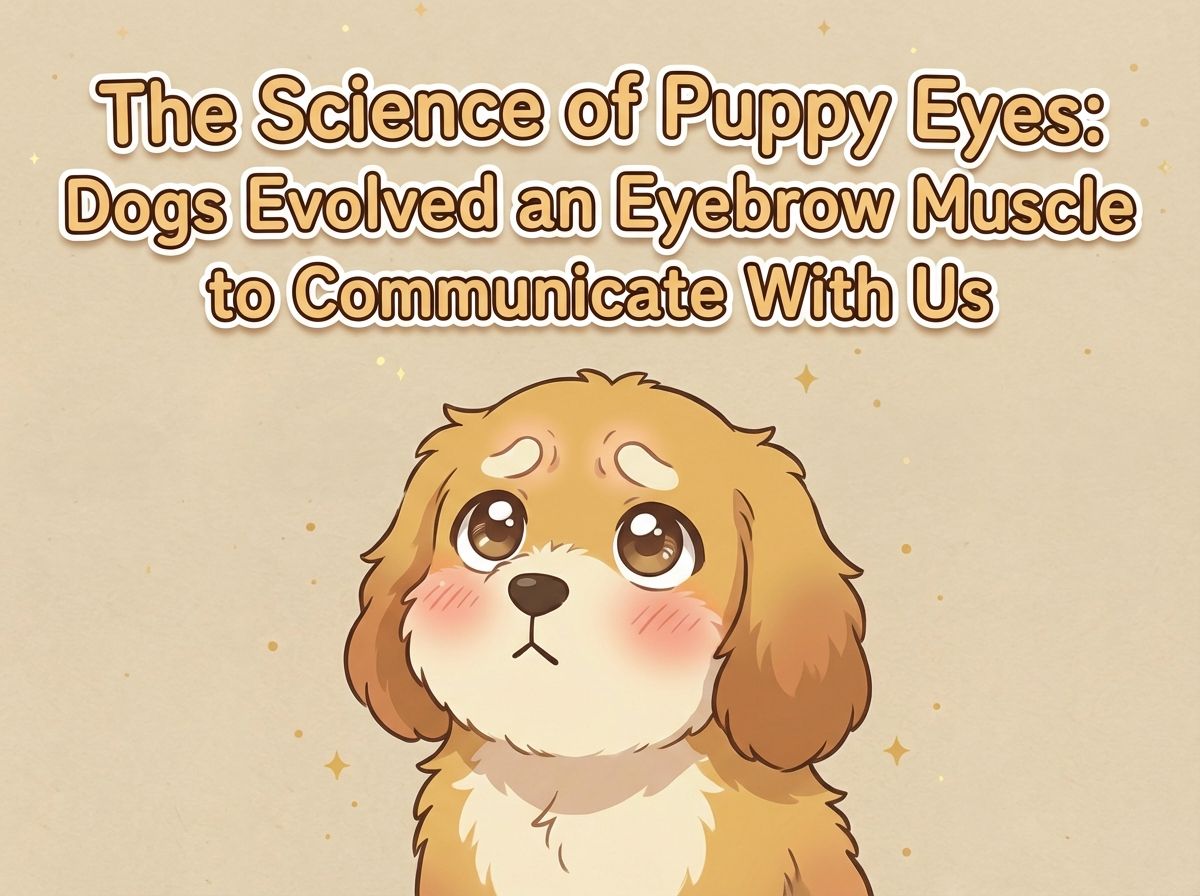
That “innocent look” isn’t just your dog being adorable. Research comparing dog and wolf facial anatomy suggests many dogs have a specialized muscle, the levator anguli oculi medialis (LAOM), that helps lift the inner eyebrow to create the classic “puppy eyes” expression. Wolves tend to have this muscle far less developed or not consistently present, which limits their eyebrow movement. Over domestication, dogs that could make clearer, softer facial signals likely had an advantage in bonding and communicating with humans, strengthening the human-dog relationship over thousands of years.

If Dogs Had MBTI: Pup MBTI, The Diplomats
Diplomat pups are the “healing with love” type: gentle, sincere, and emotionally tuned-in. This post features INFJ Mini Schnauzer, INFP mixed-breed (Tong Gau), ENFJ Golden Retriever, and ENFP Corgi. Which one matches your dog?
Snoring Is Not Always Cute: Breathing Signs in Flat-Faced Dogs
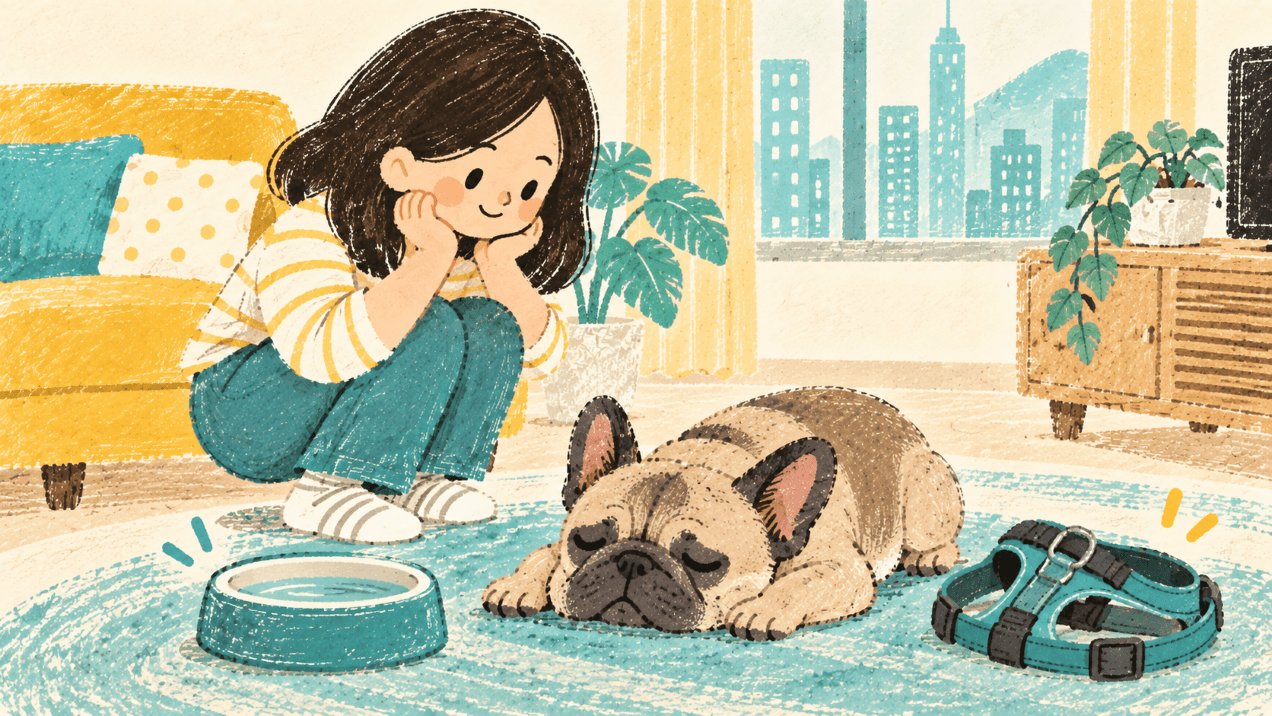
Some flat-faced dogs naturally make more breathing noise than others, but frequent snoring is not always harmless. Trouble recovering after exercise, disturbed sleep, or overheating should be checked by a veterinarian.